










Breaking News
 America's Wile E. Coyote Moment
 Guinness Pulls Plug On Baltimore Brewery As Costs Soar In Democrat-Run State Amid Consumer...
 Backlash Rolls In After Rutgers Womxns Rugby Name Change Welcomes Men Who Identify...
 Pentagon Raises Combat Pay For First Time Since 2002 As Iran War Persists
Top Tech News
 Seven apps. One craft
 SHOCK CASE REPORT: Advanced Alzheimer's Patient Regains Speech, Memory, Mobility...
 Most artificial limbs rely on silicone or plastic to mimic human hands.
 Flying cell tower beams phone signal to Japan from 10 miles up
 Chinese Commercial Reactor Achieves Nuclear Fusion with Clean Hydrogen-Boron Fuel
 Med Beds Just Took a MASSIVE Step Forward, Healing People in Days!
 Palmer Luckey: Autonomous Weapons Are Ancient and Why Anduril Won't Build Humanoids | EP #295
 A laser just photographed objects through six feet of concrete
 Elon Musk's Next-Gen Motor Destroy Entire EV Industry
 China's disputed satellite refueling heralds new space war era



7 Uses for a Smartphone Once the World Goes Dark
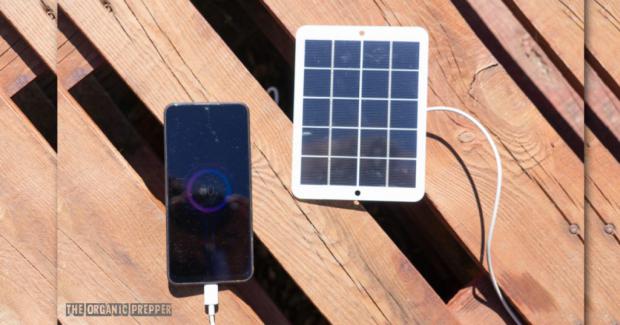
Dear readers, I am surprised by the last few years (using an 8-year-old smartphone now) of how people, often in a tight financial situation, change their phones within 2-3 years, no matter what. Behind these practical instruments lies a significant amount of technology, and the programmed obsolescence mindset of manufacturers works against users, forcing them to replace their perfectly usable phones.
That generates a lot of waste!
Recent advances, such as fast wireless charging systems, are great for eliminating the need for fiddling with wires and plugs that will eventually fail. As a matter of fact, this is my main reason for changing my handphone in the near future.
Electronic waste is much worse than "regular" or "normal" waste. The highly toxic chemicals in the batteries and the potentially harmful effects once they leak into the water tables have deep effects on our health. The authorities are merely scratching the surface regarding this issue. In some Asian countries, there are already concerning statistics on the lithium content in the citizens' bloodstream.
In a world stripped of cellular networks, Wi-Fi, and satellite signals—whether by a solar storm, EMP attack, or catastrophic societal collapse—your smartphone might seem like a useless brick.