










Breaking News
 Battleborn Batteries Responds! Their Overheating Device is a "Feature" not a "Problem
 Actor Liam Neeson Outs Himself as MAHA After Narrating Pro-RFK Jr. Documentary Slamming...
 Kyle Rittenhouse announced on social media Wednesday that he has tied the knot.
 JUST IN: President Trump Grants Tina Peters Pardon
Top Tech News
 Build a Greenhouse HEATER that Lasts 10-15 DAYS!
 Look at the genius idea he came up with using this tank that nobody wanted
 Latest Comet 3I Atlas Anomolies Like the Impossible 600,000 Mile Long Sunward Tail
 Tesla Just Opened Its Biggest Supercharger Station Ever--And It's Powered By Solar And Batteries
 Your body already knows how to regrow limbs. We just haven't figured out how to turn it on yet.
 We've wiretapped the gut-brain hotline to decode signals driving disease
 3D-printable concrete alternative hardens in three days, not four weeks
 Could satellite-beaming planes and airships make SpaceX's Starlink obsolete?
 First totally synthetic human brain model has been realized
 Mach-23 potato gun to shoot satellites into space


NATO Is a Menace, Not a Benefit, to America
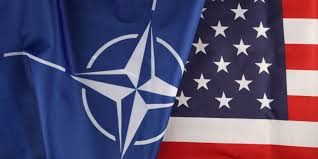
Indeed, the alliance has been the most important feature of Washington's overall strategy of global primacy. America's political and policy elites have embraced two key assumptions and continue to do so. One is that NATO is essential to the peace and security of the entire transatlantic region and will remain so for the indefinite future. The other sacred assumption is that the alliance is highly beneficial to America's own core security and economic interests.
Whatever validity those assumptions may have had at one time, they are dangerously obsolete today. The toxic, militaristic views toward Russia that too many European leaders are adopting have made NATO into a snare that could entangle the United States in a large-scale war with ominous nuclear implications. It is urgent for the Trump administration and sensible proponents of a U.S. foreign policy based on realism and restraint to eliminate such a risky and unnecessary situation.
Throughout the Cold War and its immediate aftermath, NATO's European members followed Washington's policy lead on important issues with little dissent or resistance. That situation is no longer true. The governments and populations in the alliance's East European members (the countries that the Kremlin held in bondage during the Cold War but that eagerly joined NATO once the Soviet Union collapsed) have adopted an especially aggressive, uncompromising stance toward Russia as the USSR's successor. They have lobbied with special fervor in favor of admitting Ukraine to NATO, despite Moscow's repeated warnings over the past two decades that such a step would constitute an intolerable provocation. The East European states also have been avid supporters of the proxy war that NATO has waged against Russia following Moscow's invasion of Ukraine in February 2022.
Their toxic hostility toward Russia has inexorably made inroads even among the previously more restrained, sensible members of the alliance. With a few partial exceptions, such as Hungary and Slovakia, NATO governments now push for unrealistic, very risky policies with respect to the Ukraine-Russia war. Washington's volatile, ever-changing policy under President Donald Trump regarding that armed conflict has not helped matters.
The Trump administration's latest approach has been to try to inject some badly needed realism into the position that Ukraine and its NATO supporters pursue. Realities on the battlefield confirm that Russia is winning, albeit slowly and at considerable cost, the bloody war against its neighbor. Moscow's forces are gradually expanding the amount of territory they control. Kyiv's propaganda campaign to portray Ukraine as a stalwart democracy and a vital symbol of resistance to an authoritarian Russia is collapsing as well. Corruption scandals now plague the government of President Volodymyr Zelensky, as does growing evidence of his regime's authoritarianism. Proponents of NATO's continuing military intervention now seek to downplay the once-dominant "moral case" for the alliance's involvement and try to stress Ukraine's alleged strategic importance to both the United States and its allies.