










Breaking News
 Alternative Ways to Buy Farmland
 LED lights are DEVASTATING our bodies, here's why | Redacted w Clayton Morris
 How My Youtube Channel Makes Money
 No Excuses: Throw A Party!
Top Tech News
 Travel gadget promises to dry and iron your clothes – totally hands-free
 Perfect Aircrete, Kitchen Ingredients.
 Futuristic pixel-raising display lets you feel what's onscreen
 Cutting-Edge Facility Generates Pure Water and Hydrogen Fuel from Seawater for Mere Pennies
 This tiny dev board is packed with features for ambitious makers
 Scientists Discover Gel to Regrow Tooth Enamel
 Vitamin C and Dandelion Root Killing Cancer Cells -- as Former CDC Director Calls for COVID-19...
 Galactic Brain: US firm plans space-based data centers, power grid to challenge China
 A microbial cleanup for glyphosate just earned a patent. Here's why that matters
 Japan Breaks Internet Speed Record with 5 Million Times Faster Data Transfer



The New Battle for the Americas: Why the Western Hemisphere Is Becoming a Global...
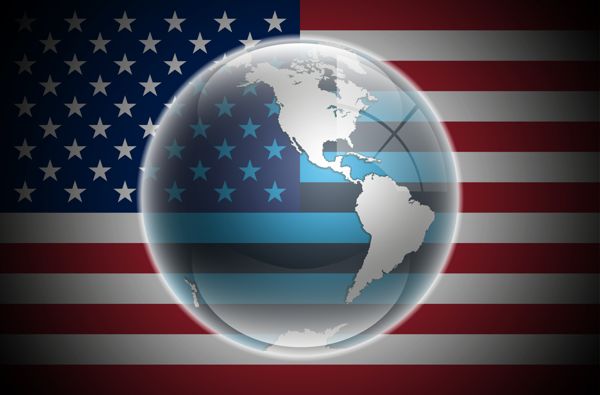
Below is a geopolitical map of the Western Hemisphere as I see it today.

The principal geopolitical foes of the US in the Western Hemisphere—Cuba, Venezuela, and Nicaragua—are firmly in the China and Russia camp.
Other countries can shift depending on the outcome of recent elections.
Here's an overview of some of the most geopolitically important countries in the Western Hemisphere to help frame the broader picture.
Venezuela
A military confrontation over Venezuela appears increasingly likely.
Since Hugo Chávez's rise to power in 1999, Caracas has aligned itself with Russia and China. Venezuela's vast oil and gold reserves make it a geopolitical prize. The country holds the world's largest proven oil reserves—over 303 billion barrels, around 17 % of the global total—concentrated in the Orinoco Belt. That's more oil than Saudi Arabia's reported reserves.
For China and Russia, Venezuela represents a geopolitical foothold in America's backyard—much like how the US uses Taiwan and Ukraine to do the same to Beijing and Moscow.