










Breaking News
Wish List for America for 2026
 If You Grew Up In The 1970s, You Probably Possess These Rare Traits
 EVEN More SUPER SHADY Financial Dealings At TPUSA!
 British woman warns American about the Rise of Islam...
Top Tech News
 Laser weapons go mobile on US Army small vehicles
 EngineAI T800: Born to Disrupt! #EngineAI #robotics #newtechnology #newproduct
 This Silicon Anode Breakthrough Could Mark A Turning Point For EV Batteries [Update]
 Travel gadget promises to dry and iron your clothes – totally hands-free
 Perfect Aircrete, Kitchen Ingredients.
 Futuristic pixel-raising display lets you feel what's onscreen
 Cutting-Edge Facility Generates Pure Water and Hydrogen Fuel from Seawater for Mere Pennies
 This tiny dev board is packed with features for ambitious makers
 Scientists Discover Gel to Regrow Tooth Enamel
 Vitamin C and Dandelion Root Killing Cancer Cells -- as Former CDC Director Calls for COVID-19...



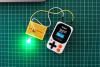
This tiny dev board is packed with features for ambitious makers

It's called the Kode Dot, and not only does it packs a ton of useful hardware into its compact body, it also has a couple of powerful features on the software side you'll likely lose many an evening to in your workspace.
This ESP32-SE-based gadget has Bluetooth, Wi-Fi, infrared, NFC, and RFID modules built in, so you can connect to and control all kinds of stuff. It's also got programmable GPIO pins to connect to electronic components like switches, servo motors, and LEDs.
A USB-C port lets you charge the Dot's 500-mAh battery, and also plug in to Windows, Mac, and Linux machines. Plus, it's got a 9-axis sensor for gyro-like controls, as well as a mic and speaker.
That opens the door to a wide range of DIY electronics projects to get into, including building a custom infrared remote control for gadgets, writing NFC tags for home automation triggers, scanning for hidden Bluetooth devices around you, controlling robots with gestures, running BadUSB scripts as soon as you plug your Dot into a PC, and creating programs to run motors and lights.
That last bit can be especially fun, since you can easily plug a breadboard into the top of the Dot and get cracking. What's more, this little device can use Wi-Fi to connect to AI services like Google's Gemini, and follow your voice commands to have the motors or LEDs connected to the breadboard do your bidding.
There are also additional modules you can buy to plug into the Dot, like a camera module, and an RF module that supports LoRa and Meshtastic technologies to connect to other devices – including other Dots.
As if that wasn't enough, the Dot can also use its 9-axis sensor to serve as an air mouse and support gestures for other applications, like games you can play with a fellow Dot owner.
While some other creator tools are more hardcore, the Dot is a lot easier to get started with. It runs its own OS, so you can just write your own apps in your favorite IDE (Integrated Development Environment), and run them on the Dot directly instead of having to flash the device. You can interact with these apps on the Dot's touchscreen or use its physical buttons, and even share your creations with others.
Ultimately, it looks like a fun way to test your coding chops and control your hobby electronics projects – with less of the usual steep learning curve.