










Breaking News
 Christmas Truce of 1914, World War I - For Sharing, For Peace
 The State's Last Stand
 The Roots of Collectivist Thinking
 What Would Happen if a Major Bank Collapsed Tomorrow?
Top Tech News
 Travel gadget promises to dry and iron your clothes – totally hands-free
 Perfect Aircrete, Kitchen Ingredients.
 Futuristic pixel-raising display lets you feel what's onscreen
 Cutting-Edge Facility Generates Pure Water and Hydrogen Fuel from Seawater for Mere Pennies
 This tiny dev board is packed with features for ambitious makers
 Scientists Discover Gel to Regrow Tooth Enamel
 Vitamin C and Dandelion Root Killing Cancer Cells -- as Former CDC Director Calls for COVID-19...
 Galactic Brain: US firm plans space-based data centers, power grid to challenge China
 A microbial cleanup for glyphosate just earned a patent. Here's why that matters
 Japan Breaks Internet Speed Record with 5 Million Times Faster Data Transfer



As Trump crackdown cripples Venezuela's economy, Maduro eyes private tankers for exporting oil
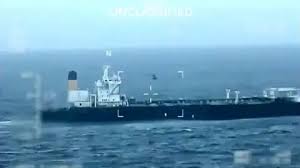
President Donald Trump's administration is intensifying its campaign against Venezuela's state oil sector, seizing tankers and blockading vessels it says are linked to sanctioned crude exports, a move that could reshape both foreign policy and energy geopolitics.
It's a rare instance where Washington's push to punish Venezuela's authoritarian leadership has gone beyond traditional sanctions and financial measures, instead directly targeting the country's lifeblood: its oil industry.
Why oil? Why now?
For years, Venezuela's oil exports have been central to its economy. The country sits on the world's largest proven crude reserves, yet production has plunged amid mismanagement, corruption, sanctions and economic collapse over the past decade.
In recent weeks, the US has seized and intercepted multiple oil tankers in international waters near Venezuela, actions it describes as enforcement of existing sanctions against vessels tied to a so-called "shadow fleet" that moves sanctioned oil abroad. On December 10, US forces seized one vessel—the Skipper—and in the following weeks the US Coast Guard stopped others in the Caribbean.
President Trump has publicly celebrated the actions, saying those tankers were seized "for a very good reason" and even suggesting the United States may "keep" the oil onboard.
But critics call the moves a dangerous escalation of military and economic pressure that could destabilize the region and violate international norms—especially after the US announced a blockade of sanctioned oil tankers entering and leaving Venezuelan waters.
Venezuela's counterpunch
Caracas has responded angrily.
Venezuela's National Assembly has passed a law criminalizing what it calls "acts of piracy" and blockades against its maritime commerce, with penalties up to 20 years in prison.
President Nicolás Maduro's government and representatives at the United Nations condemned the US actions as "theft" and an abuse of international law, while allies such as China and Russia have urged restraint.
Maduro has even mobilised the Venezuelan navy to escort oil-related shipments bound for Asia, defying US pressure and demonstrating that Caracas isn't backing down.