










Breaking News
 Christmas Truce of 1914, World War I - For Sharing, For Peace
 The State's Last Stand
 The Roots of Collectivist Thinking
 What Would Happen if a Major Bank Collapsed Tomorrow?
Top Tech News
 Travel gadget promises to dry and iron your clothes – totally hands-free
 Perfect Aircrete, Kitchen Ingredients.
 Futuristic pixel-raising display lets you feel what's onscreen
 Cutting-Edge Facility Generates Pure Water and Hydrogen Fuel from Seawater for Mere Pennies
 This tiny dev board is packed with features for ambitious makers
 Scientists Discover Gel to Regrow Tooth Enamel
 Vitamin C and Dandelion Root Killing Cancer Cells -- as Former CDC Director Calls for COVID-19...
 Galactic Brain: US firm plans space-based data centers, power grid to challenge China
 A microbial cleanup for glyphosate just earned a patent. Here's why that matters
 Japan Breaks Internet Speed Record with 5 Million Times Faster Data Transfer



The U.S. Government Is Not the Daddy of U.S. Oil Companies
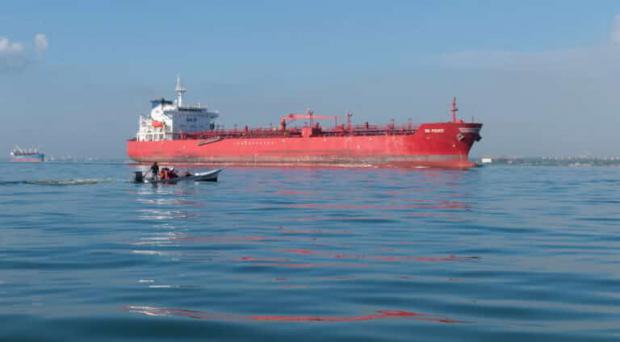
The notion is that since "they stole our oil" several decades ago, it is entirely proper, U.S. officials say, for the U.S. government to retaliate against Venezuela, including, presumably, getting back the oil they supposedly "stole from us."
But contrary to what many Americans now have convinced themselves is true, Venezuela never stole "our oil," especially if one is referring to you and me and most other American citizens with the use of the possessive pronoun "our." That's because neither you nor I or the vast majority of other Americans ever owned Venezuelan oil.
For that matter, the U.S. government didn't own any Venezuelan oil either. It was U.S. oil companies that were granted concessions from the Venezuelan government near the beginning of the 20th century to extract oil from Venezuela in return for payment of concession fees to the Venezuelan government.
The situation was similar to what happens when an oil company enters into a lease contract with a private landowner here in the United States. The oil company pays the landowner a bonus to sign the lease. If it later strikes oil, the oil company pays royalties to the landowner.
Essentially, the same thing happened with Venezuela, with the Venezuelan government serving as owner of the mineral rights. It should be pointed out that the terms of the concessions were extremely generous to the oil companies.
But there is one critically important point that we must keep in mind: There is always the risk of nationalization when it comes to operating in foreign countries. Every oil company executive knows that. Nationalization, of course, is impossible to defend on a libertarian basis. It constitutes a severe breach of contract. But the fact is that it happens, and everyone knows that. It's a risk of doing business in a foreign country. If an oil company doesn't want to take that risk, then it should simply limit its operations to the domestic United States.
In other words, oil company executives are big boys. They themselves choose to take the risk of nationalization if they decide to drill in a foreign country. If things don't pan out and their operations are nationalized, they shouldn't be looking to the U.S. government to be their daddy. They simply have to take their lumps.