










Breaking News
SEMI-NEWS/SEMI-SATIRE: January 11, 2026 Edition
 "Appalling": Debanking Explodes To Record High In Britain
 MTG explodes in astonishing f-bomb laden tirade as Trump orders Secret Service probe:
 "World's Criminals On Notice": Trump's Gunboat Diplomacy Seizes Another Tanker In
Top Tech News
 World's most powerful hypergravity machine is 1,900X stronger than Earth
 New battery idea gets lots of power out of unusual sulfur chemistry
 Anti-Aging Drug Regrows Knee Cartilage in Major Breakthrough That Could End Knee Replacements
 Scientists say recent advances in Quantum Entanglement...
 Solid-State Batteries Are In 'Trailblazer' Mode. What's Holding Them Up?
 US Farmers Began Using Chemical Fertilizer After WW2. Comfrey Is a Natural Super Fertilizer
 Kawasaki's four-legged robot-horse vehicle is going into production
 The First Production All-Solid-State Battery Is Here, And It Promises 5-Minute Charging
 See inside the tech-topia cities billionaires are betting big on developing...
 Storage doesn't get much cheaper than this


3 Key Supreme Court Cases To Watch In Early 2026
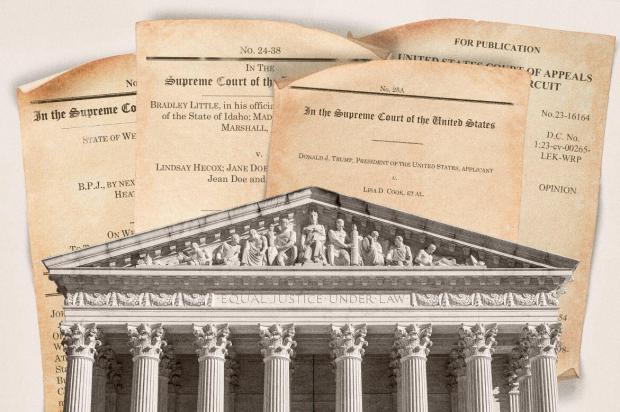
Here are the top cases to watch.
1. Girls' Sports
The Supreme Court on Jan. 13 will hear arguments in two cases—West Virginia v. B.P.J. and Little v. Hecox—that focus on West Virginia's and Idaho's laws barring males from competing in female sports. The eventual ruling is expected to tackle key questions about how federal law and the Constitution treat sex and gender.
Both states faced hurdles in federal appeals courts, which held that their laws classified individuals based on their sex and "transgender status." They also indicated that those types of classifications violated the equal protection clause of the 14th Amendment, which generally directs states to apply the law equally to everyone regardless of particular characteristics.
While courts have sometimes allowed states to treat certain groups of people differently, legal classifications based on sex and other characteristics have also been rejected. That's because when courts determine whether to uphold a state law, they weigh certain factors, such as whether the state has an important enough interest in using certain characteristics to classify individuals.
In both West Virginia's and Idaho's cases, the states have acknowledged that they classify people based on sex but that doing so is justified—specifically because they further important government interests in protecting equality in sports.
"On average, men are faster, stronger, bigger, more muscular, and have more explosive power than women," Idaho told the Supreme Court. "For female athletes to compete safely and excel, they deserve sex-specific teams."
West Virginia's case has also led the Supreme Court to wrestle with a similar issue: whether athletics laws violate Title IX of the Civil Rights Act. That law, which prohibits sex-based discrimination in federally funded educational institutions, was cited by the U.S. Court of Appeals for the Fourth Circuit when it ruled against West Virginia in 2024.