










Breaking News
SEMI-NEWS/SEMI-SATIRE: January 11, 2026 Edition
 "Appalling": Debanking Explodes To Record High In Britain
 MTG explodes in astonishing f-bomb laden tirade as Trump orders Secret Service probe:
 "World's Criminals On Notice": Trump's Gunboat Diplomacy Seizes Another Tanker In
Top Tech News
 World's most powerful hypergravity machine is 1,900X stronger than Earth
 New battery idea gets lots of power out of unusual sulfur chemistry
 Anti-Aging Drug Regrows Knee Cartilage in Major Breakthrough That Could End Knee Replacements
 Scientists say recent advances in Quantum Entanglement...
 Solid-State Batteries Are In 'Trailblazer' Mode. What's Holding Them Up?
 US Farmers Began Using Chemical Fertilizer After WW2. Comfrey Is a Natural Super Fertilizer
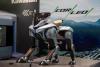 Kawasaki's four-legged robot-horse vehicle is going into production
 The First Production All-Solid-State Battery Is Here, And It Promises 5-Minute Charging
 See inside the tech-topia cities billionaires are betting big on developing...
 Storage doesn't get much cheaper than this


NPR's CEO Refused Internal Demands To Resign "For The Good Of Public Media" Before Los
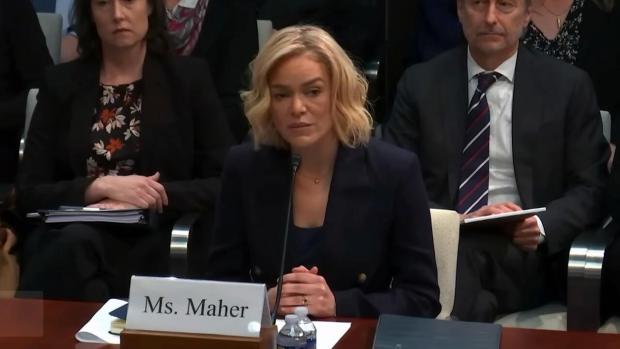
The New York Times reports that the Corporation for Public Broadcasting (CPB) called on National Public Radio (NPR) CEO Katherine Maher to resign before all federal funding for both the CPB and NPR was cut off. As in the past, Maher and the NPR board chose their own agendas over the interests of their institution and public radio.
I have long been a critic of Maher since her inexplicable selection by the NPR board to lead the media organization. Despite years of objections to NPR's overt bias, many critics genuinely wanted NPR to reverse course and adopt more balanced coverage. That is why, when NPR was searching for a new CEO, I encouraged the board to hire a moderate figure without a history of political advocacy or controversy.
Instead, the board selected Katherine Maher, a former Wikipedia CEO widely criticized for her highly partisan and controversial public statements.
She was the personification of advocacy journalism, even declaring that the First Amendment is the "number one challenge" that makes it "tricky" to censor or "modify" content as she would like.
Maher has supported "deplatforming" anyone she deems to be "fascists" and even suggested that she might support "punching Nazis."
She also declared that "our reverence for the truth might be a distraction [in] getting things done."
As expected, the bias at NPR only got worse. The leadership even changed a longstanding rule barring journalists from joining political protests.
One editor had had enough. Uri Berliner had watched NPR become an echo chamber for the far left with a virtual purging of all conservatives and Republicans from the newsroom. Berliner noted that NPR's Washington headquarters has 87 registered Democrats among its editors and zero Republicans.
Maher and NPR remained dismissive of such complaints. Maher attacked the award-winning Berliner for causing an "affront to the individual journalists who work incredibly hard." She called his criticism "profoundly disrespectful, hurtful, and demeaning."
Berliner resigned, after noting how Maher's "divisive views confirm the very problems at NPR" that he had been pointing out.
In her disastrous appearance before Congress, Maher sat next to PBS CEO Paula A. Kerger and dismissed criticism. What was not disclosed is that PBS agreed with some of us that, if Maher truly wanted to save federal funding and protect NPR, she would resign.