










Breaking News
 Now that the U.S military has stolen $17 trillion worth of oil from Venezuela...
 10 Coolest Tech at CES 2026 (Day 1)
 UAE cuts funds for citizens keen to study in UK over Muslim Brotherhood tensions
 A potential Rio Tinto-Glencore mega-merger would represent far more than a corporate consolidation
Top Tech News
 World's most powerful hypergravity machine is 1,900X stronger than Earth
 New battery idea gets lots of power out of unusual sulfur chemistry
 Anti-Aging Drug Regrows Knee Cartilage in Major Breakthrough That Could End Knee Replacements
 Scientists say recent advances in Quantum Entanglement...
 Solid-State Batteries Are In 'Trailblazer' Mode. What's Holding Them Up?
 US Farmers Began Using Chemical Fertilizer After WW2. Comfrey Is a Natural Super Fertilizer
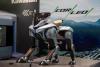 Kawasaki's four-legged robot-horse vehicle is going into production
 The First Production All-Solid-State Battery Is Here, And It Promises 5-Minute Charging
 See inside the tech-topia cities billionaires are betting big on developing...
 Storage doesn't get much cheaper than this


Congressional Budget Office Projects Lower Than Expected US Population Growth

The office projects 364 million people living in the United States in 2056, up from the current population of around 349 million.
The population growth will be 0.3 percent on average in the next 10 years, but will go down to an average rate of just 0.1 percent between 2037 and 2056, CBO projects.
The population projection is down 2.1 percent from the 372 million CBO estimated in a January 2025 report, and the 383 million it projected in a 2024 estimate.
The drop stems from declining fertility rates and lower numbers of immigrants coming to the country, according to the budget office.
For a generation to replace itself in the absence of immigration, the fertility rate needs to be 2.1 births per woman.