










Breaking News
 Communism is SO attractive to the elite because it gives them ALL OF THE POWER...
 First the fake medical degrees, now fake regular degrees!
 One of Wall Street's Best Hedge Funds Just Blew a 44% Gain Because of AI Bets
 Iran and Pakistan are mass deporting millions of Afghans back to Afghanistan.
Top Tech News
 Anduril's plan to save US sub edge from China's undersea surge
 Researchers Develop AI 'Mind-Reading' Tool That Reconstructs What Your Eyes See
 Video: Dexterous robot hand learns the delicate art of silk embroidery
 The computer that can read your mind:
 Seven apps. One craft
 SHOCK CASE REPORT: Advanced Alzheimer's Patient Regains Speech, Memory, Mobility...
 Most artificial limbs rely on silicone or plastic to mimic human hands.
 Flying cell tower beams phone signal to Japan from 10 miles up
 Chinese Commercial Reactor Achieves Nuclear Fusion with Clean Hydrogen-Boron Fuel
 Palmer Luckey: Autonomous Weapons Are Ancient and Why Anduril Won't Build Humanoids | EP #295



A single inflammatory switch may help repair the liver
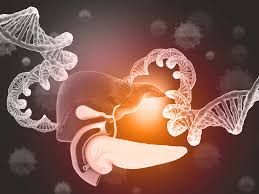
Signals from the gut make the situation worse by encouraging immune cells to release harmful molecules. Macrophages and monocytes are central players, intensifying injury and shifting the body's defenses toward a more aggressive state. Among them, liver macrophages are essential and are now being explored as therapeutic targets.
Another key factor is Platelet-Activating Factor (PAF), a chemical that drives inflammation, clotting, and changes in blood vessels. In cirrhosis, a serious and ongoing condition, healthy liver tissue is slowly replaced by scar tissue. This replacement causes a loss of structure and function. Liver macrophages create high levels of PAF and its receptor, which raises portal vein pressure and decreases blood pressure in other areas.
Current treatments for liver disease are limited. They mainly tackle complications instead of the root causes of damage. This highlights the need for more research to better understand how the disease works and to create stronger, more effective therapies.
Researchers at Miguel Hernández University in Spain have found a promising way to lessen liver damage and improve blood vessel function in cirrhosis.
"Our main objective was to understand the role of platelet-activating factor (PAF) and its receptor (PAF-R) in liver cirrhosis, a disease characterized by progressive liver damage accompanied by intense chronic inflammation," explained study lead Rubén Francés Guarinos. "The study also evaluated whether blocking this inflammatory pathway could be an effective strategy to improve liver function in cirrhosis."
The researchers looked at both patients with cirrhosis and mice with chemically induced cirrhosis. Some of the mice were given treatments: either a drug that blocks PAF-R receptor, or a DNA methylation inhibitor, for two weeks before surgery (laparotomies).
Researchers then examined liver immune cells to determine how their DNA activity was regulated and measured levels of a key receptor. They also tested liver cells called Kupffer cells by exposing them to PAF and other triggers and measuring the amount of inflammatory molecules they produced. Finally, the team measured markers of liver damage to understand how these treatments and signals affected disease progression.
The study found that in cirrhosis, a change in gene regulation, specifically the removal of chemical marks from the PAF-R gene, causes the gene to become overactive. As a result, liver immune cells produce more PAF-R receptors, which intensifies inflammation and worsens liver damage.
Notably, the researchers showed that blocking PAF with a drug called BN-52021 not only reduced liver injury and improved blood vessel function in cirrhotic mice, but also restored balance in the liver's immune and inflammatory responses.
"Taken together, these findings suggest that drugs capable of blocking PAF action, such as BN-52021, could represent a new therapeutic line for liver cirrhosis," said UMH researcher Enrique Ángel Gomis.