










Breaking News
 The US Military Is Involved In A Massive Mobilization Of Infantry Troops To Launch A FULL SCALE...
 Iran Is Not My Enemy
 Scientists reveal controversial plan to launch 50,000 MIRRORS into space for 'sunlight on demand
 Controversial geoengineering project sees scientists pump 65,000 litres of chemicals into...
Top Tech News
 The Pentagon is looking for the SpaceX of the ocean.
 Major milestone by 3D printing an artificial cornea using a specialized "bioink"...
 Scientists at Rice University have developed an exciting new two-dimensional carbon material...
 Footage recorded by hashtag#Meta's AI smart glasses is sent to offshore contractors...
 ELON MUSK: "With something like Neuralink… we effectively become maybe one with the AI."
 DARPA Launches New Program Generative Optogenetics, GO,...
 Anthropic Outpaces OpenAI Revenue 10X, Pentagon vs. Dario, Agents Rent Humans | #234
 Ordering a Tiny House from China, what's the real COST?
 New video may offer glimpse of secret F-47 fighter
 Donut Lab's Solid-State Battery Charges Fast. But Experts Still Have Questions



What if Iran Says No?
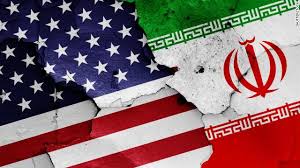
The prevailing assumption within certain circles of the White House is that Tehran, having sustained serious damage from recent military strikes, would welcome a cessation of hostilities. This calculation, however, rests on a dangerous misreading of Iranian resolve, historical grievance, and strategic necessity. What if Iran says no?
The first and most fundamental obstacle is trust. Can Iran reasonably trust any promise made by Donald Trump? The historical record suggests otherwise. The unilateral withdrawal from the JCPOA in 2018, despite verified Iranian compliance, established a precedent of bad faith. Yet, the breach of trust goes deeper than past policy. The February 28 surprise attack was not merely a military strike; it was launched in the midst of ongoing peace talks. To strike while negotiating is the absolute most serious breach of diplomatic trust possible. It signals that words are meaningless and that force is the only language recognized by Washington. For Iranian leadership, any verbal assurance offered today carries the weight of tomorrow's tweet. Diplomacy requires a foundation of credibility; that foundation has been systematically dismantled.
Second, the ideological makeup of the opposing governments creates a structural barrier to compromise. The current Israeli government is composed of extremist Zionists whose platform often rejects coexistence in favor of maximalist territorial and security demands. Simultaneously, Christian Zionists hold an important role in the Trump administration, viewing conflict in the Middle East through a theological lens that favors escalation over diplomacy. This alignment makes compromise with Iran inherently harder. For these factions, concession is not strategy; it is heresy. What demands could Iran make that would credibly constrain Israeli action? Binding security guarantees from the United States would be required, yet Washington's ability to restrain its ally in moments of crisis is historically limited. Conversely, any Iranian demand for verifiable, long-term restrictions on Israeli military operations would likely be viewed in Jerusalem as an unacceptable infringement on sovereignty – a potential casus belli in itself.
Third, any serious Iranian negotiation would inevitably demand the removal of American military bases from the Persian Gulf. From Tehran's perspective, these installations are not defensive outposts but forward operating bases for coercion and regime-change planning. Their presence is an existential threat. Yet for any American president, particularly one branding himself as a champion of strength, agreeing to withdraw forces from Bahrain, Qatar, or Kuwait would be politically untenable. It would be framed domestically not as diplomacy, but as retreat. Trump, who measures success in visible, declarative terms, could not sell a deal that requires abandoning strategic assets as a victory.
Fourth, Iran would demand the immediate and comprehensive lifting of sanctions. The economic toll of the pressure campaign has been severe, but capitulation without full relief would be seen as surrender. However, an immediate, total sanctions lift is a non-starter for the administration. It would undermine the central lever of U.S. pressure and invite fierce criticism from allies and domestic opponents alike.