










Breaking News
 Iran War Hits Cyber, Food, Energy: Stryker Cyberattack, India Fertilizer Stoppage
 Now Its Time to PANIC
 Cork Stryker plants hit by suspected global Iranian-linked cyberattack
270 WSM Ballistics From Major Manufacturers
Top Tech News
 Human Brain Cells Merge With Silica To Play DOOM
 Will Yann LeCun Provide The Next Breakthrough In AI?
 Human Brain Cells Merge With Silica To Play DOOM
 Solar And Storage Could Reshape Rural Electricity Markets
 With World Seemingly At War, DARPA Finds Time To Unveil The X-76
 Renewable Water From Air.
 The world's first diesel plug-in hybrid pickup truck is here
 US advances nuclear revival with approval of Natrium Gen IV reactor
 Your Contractor Doesn't Want Me To Show You This!
 CEO of Blacklisted AI Company Anthropic, Dario Amodei Says His AI Models 'May Have Gained...



Is America Winning or Losing the War With Iran?
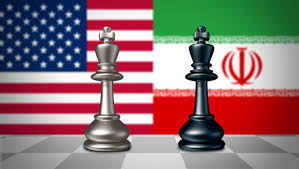
A war might often begin with a downcast ambassador delivering a diplomatic note to the accredited government, informing its political leadership that unless certain crucial demands were immediately met, a state of war should be assumed to exist by noon the following day. After performing that doleful duty, the diplomat and his staff would return to their embassy, pack their bags, burn their secret documents, and take the next train to the frontier.
Even Japan's infamous December 7, 1941 surprise attack at Pearl Harbor had supposedly been intended to preserve all these legalistic niceties. From what I've read, the Japanese ambassador and his aides had been instructed to personally hand-deliver a declaration of war to our president perhaps five or ten minutes before their country's planes were scheduled to begin dropping their bombs on our anchored fleet at the other side of the world, thereby complying with the letter of international law though massively violating its spirit. But delays in decoding diplomatic instructions or other such accidental errors led to a snafu in which the military attack actually came before the official declaration of war that legally enabled it, resulting in a lasting legacy of hard feelings between our two countries.
However, America has always prided itself on its innovations, and in recent years we have applied this approach to the initiation of military conflicts, following the lead of our Israeli mentors in that regard. A perfect example came in how we began our current war against Iran.
Iran was extremely eager to avert such a military conflict, so just as in the past we successfully lured them into several rounds of lengthy peace negotiations with the personal envoys of President Donald Trump.
According to media reports, considerable progress had been made in the talks, and the Iranians had already agreed to many of our demands. They were considering doing so on others as well, making greater concessions than anyone had originally expected. The negotiations therefore adjourned for a couple of days, and were scheduled to resume on the following Monday.
The Iranians naturally had to think long and hard before agreeing to all our terms. Therefore, they held a full meeting of their top leadership to decide whether to do so.