










Breaking News
 War, Oil And Debt: Which Threats To The US Economy Are Legit?
 ISIS Attacker Killed by ROTC Students + GDP Crashes to 0.7% + Senate Bans the Digital Dollar
 The Case for Gold: Why It Matters Now | Philip Patrick
 "This will change HUMANITY!" Intel agencies using nanotech to control our thoughts
Top Tech News
 Musk Whips Out 'Macrohard' In Disruptive Tesla-xAI Bid To Shaft Software Companies
 This Bonkers Folding X-Plane Is One Step Closer to Hitting the Skies
 Smart 2-in-1 digital microscope goes desktop or handheld as needed
 Human Brain Cells Merge With Silica To Play DOOM
 Will Yann LeCun Provide The Next Breakthrough In AI?
 Human Brain Cells Merge With Silica To Play DOOM
 Solar And Storage Could Reshape Rural Electricity Markets
 With World Seemingly At War, DARPA Finds Time To Unveil The X-76
 Renewable Water From Air.
 The world's first diesel plug-in hybrid pickup truck is here



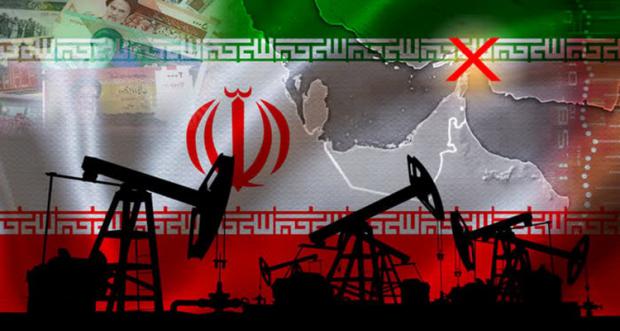
War, Oil And Debt: Which Threats To The US Economy Are Legit?
Historically speaking, it's not a sign of doom like many economists suggest. Numerous countries have sustained for decades with a ratio of well over 100% and many other factors have to be considered before it's officially time to panic. Of course, there are some cautionary tales.
Greece and Argentina are two examples. A number of developing countries shave been hit with precipitous decline after they hit the 100% mark. In the case of the US, having access to the world reserve currency changes the dynamic dramatically. Debt does not act like debt in an environment where global trade and investment is mostly is priced in dollars and you control the ability to print those dollars at will.
That said, the recent historic milestone has many people suddenly worried about the state of the US system and the precarious nature of the geopolitical landscape going into the future.
Gross national debt for the US crossed the 100% mark back in 2012. The official public debt touched 101% last month. This factor combined with the inflation of the Biden era and the geopolitical uncertainty of the Trump era has the media talking out loud about the kind of crisis we alternative economists have been warning about for quite some time.
It's certainly an startling change; alternative economists are no longer the voice in the wilderness. But let's consider for a moment WHY the mainstream has decided to adopt a crisis posture after so many years of ignoring the obvious.