










Breaking News
 SHAMELESS AND DERANGED: Far-Left College Student Mocks Brutally Assassinated...
 "We Have All The Cards": Trump Cancels Witkoff-Kushner Trip To Pakistan For Iran Talks
 US data centers to get power from Hyundai's 684MW energy system supply deal
 Why Americans Won't Revolt
Top Tech News
 Researcher wins 1 bitcoin bounty for 'largest quantum attack' on underlying tech
 Interceptor-Drone Arms-Race Emerges
 A startup called Inversion has introduced Arc, a space-based vehicle...
 Mining companies are using cosmic rays to find critical minerals
 They regrew a severed nerve - by shortening a bone.
 New Robot Ants Work Like Real Insects To Build And Dismantle On Their Own
 Russian scientists 'are developing the world's first drug to delay ageing' months after
 Sam Altman's World ID Expands Biometric Identity Checks
 China Tests Directed Energy Beam That Recharges Drones Mid-Flight
 Jurassic Park might arrive sooner than expected, just with Dinobots.



Mining companies are using cosmic rays to find critical minerals
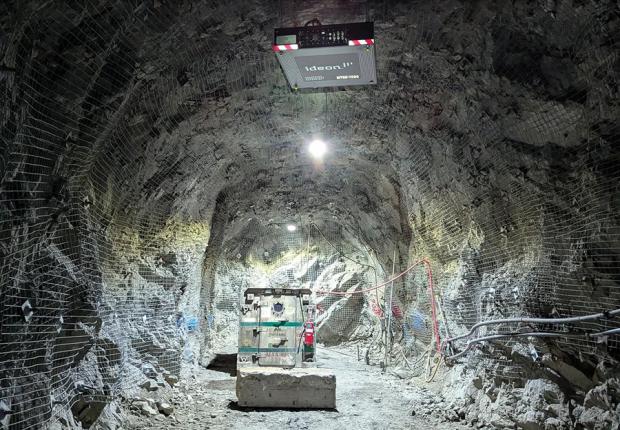
Operating since 1903, Rio Tinto's Kennecott Mine near Salt Lake City remains one of the most productive mines in the world, where workers pulled 134,000 metric tons of copper from the earth last year, along with significant amounts of gold, silver and molybdenum.
That doesn't come close to keeping up with demand, though. Prices of copper and other critical minerals surged to record highs last year, driven by supply shortages and aggravated by trade wars. The shortages show no signs of easing. According to J. P. Morgan, the global refined-copper shortfall will hit 330,000 tons this year and could widen to as much as eight million tons by 2035. The United Nations predicts that demand for critical minerals could triple by 2030. To meet its Net Zero 2050 goals, the International Energy Agency estimates that annual production of these minerals will need to increase sixfold.