










Breaking News
 'Metajets' could allow future spaceships to be propelled by nothing but light
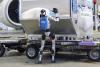 Rise of the AI-rport robots! Japan Airlines is using humanoid baggage handlers to load luggage...
 UFO whistleblowers issue chilling warning after Air Force officer was found dead before...
 Truth about Jordan Peterson's catastrophic decline: Inside his living hell, dumbstruck...
Top Tech News
 Researcher wins 1 bitcoin bounty for 'largest quantum attack' on underlying tech
 Interceptor-Drone Arms-Race Emerges
 A startup called Inversion has introduced Arc, a space-based vehicle...
 Mining companies are using cosmic rays to find critical minerals
 They regrew a severed nerve - by shortening a bone.
 New Robot Ants Work Like Real Insects To Build And Dismantle On Their Own
 Russian scientists 'are developing the world's first drug to delay ageing' months after
 Sam Altman's World ID Expands Biometric Identity Checks
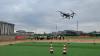 China Tests Directed Energy Beam That Recharges Drones Mid-Flight
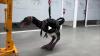 Jurassic Park might arrive sooner than expected, just with Dinobots.



Asia's oil shock nightmare has only just begun

As the US-Israeli war on Iran drags on indefinitely, Asia is realizing the extent to which 2026 is a major game-changer for a region that had been "the main driver of global growth."
This is the International Monetary Fund's characterization. But what a difference two months of hostilities in the Middle East make for Asian economies from Japan to Indonesia.
Since bombs began falling on Tehran on February 28, the resulting surge in the costs of energy and fertilizer — and the coming jump in food prices — has governments scrambling to sandbag their economies.
Unfortunately, many are already running out of plays. Typical responses like subsidies, curbing fuel use and asking those who can work from home to do so aren't doing the trick.
Though "Asia entered 2026 on a strong footing," notes IMF economist Andrea Pescatori, "the war in the Middle East and the ensuing energy supply shock are raising inflation, weakening external balances, and narrowing policy options, underscoring the region's dependence on imported oil and gas."
The bottom line, he adds, these "headwinds will test Asia's resilience."
The intensity will increase the longer the conflict lasts. US President Donald Trump is reportedly telling White House staffers to prepare for an extended period of US naval blockade activity of the Strait of Hormuz. The Middle East conflict, now stretching into a third month with scant sign of resolution, means oil prices will continue racing higher.
Even if the war winds down in early May, the World Bank thinks energy prices will surge by 24% this year to their highest since Russia's full-scale invasion of Ukraine four years ago.
"The war is hitting the ?global economy in cumulative waves," says World Bank ?chief economist Indermit Gill. "First through higher energy prices, then higher food prices, and finally, higher inflation, which will push up interest rates and make debt even more expensive."
Gill stresses that the energy shock will hit the poorest populations hardest, exacerbating the troubles of highly indebted developing countries. Yet Asia's biggest, most advanced economies will also feel the pain.
Take Japan, where central bank officials took a reluctant pass on tightening policy on Tuesday. The Bank of Japan's "hawkish hold," as many economists put it, saw no fewer than three of its nine board members dissent in favor of a rate hike to 1%.
The decision to leave short-term rates at 0.75% seemed all the more perplexing, given that the BOJ forecasts inflation will climb to 2.8% this year. That's well above the 2% target. But the BOJ is hemmed in by slowing growth — a roughly 0.5.% rate in 2026. In other words, stagflation.
The Iran war, meanwhile, is sending mixed signals to Japan. As Stefan Angrick, head Japan economist at Moody's Analytics, says, "nominal pay growth has softened, and labor market indicators have worsened since late 2025.
At the same time, policymakers have grown increasingly uneasy about the yen's pronounced weakness. The currency has averaged about 159 to the dollar for more than a month and has slid to multidecade lows against both the euro and the Swiss franc."