










Breaking News
 Trump's Approval Among Voters Has Stabilized, But Is That Enough To Boost GOP In Midterms?
 Courts Just Ruled the Gospel "Psychologically Harmful" -- and Pastors Are Being Told to Sh
 In a massive win, HHS Sec. Bobby Kennedy is moving to FORCE Big Healthcare to disclose...
 It Took 211 Years to Borrow $2.3 Trillion. Congress Just Did It in Twelve Months.
Top Tech News
 Seven apps. One craft
 SHOCK CASE REPORT: Advanced Alzheimer's Patient Regains Speech, Memory, Mobility...
 Most artificial limbs rely on silicone or plastic to mimic human hands.
 Flying cell tower beams phone signal to Japan from 10 miles up
 Chinese Commercial Reactor Achieves Nuclear Fusion with Clean Hydrogen-Boron Fuel
 Med Beds Just Took a MASSIVE Step Forward, Healing People in Days!
 Palmer Luckey: Autonomous Weapons Are Ancient and Why Anduril Won't Build Humanoids | EP #295
 A laser just photographed objects through six feet of concrete
 Elon Musk's Next-Gen Motor Destroy Entire EV Industry
 China's disputed satellite refueling heralds new space war era



"Terrain: The Workshops" on BrightU: Historical remedy reemerges...
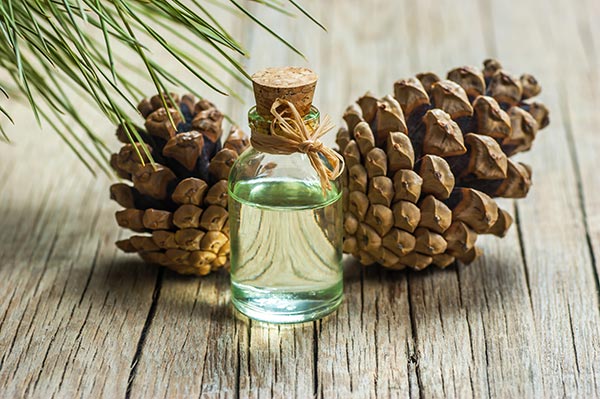
• On Day 7 of "Terrain: The Workshops," Andrew Kaufman argued pure gum turpentine is a potent solvent for detoxifying fat-soluble toxins stored in the body.
• He cited historical medical use and limited modern studies to support its safety and efficacy for various illnesses.
• Personal testimonials claim success in treating conditions like diabetes, cancer and infections.
• The protocol involves careful dosing and is presented as a cleanse to address root causes of disease.
• This approach remains controversial and outside conventional medicine, despite advocacy from proponents.
On Day 7 of "Terrain: The Workshops," aired on April 17, host Andrew Kaufman shared the truth about the pure gum spirits of turpentine. He argued that this distilled pine resin is a potent, misunderstood tool for detoxifying the body and addressing chronic illnesses, from diabetes to cancer.
The rationale hinges on a principle of basic chemistry: like dissolves like. Modern humans are burdened with an accumulation of fat-soluble toxins, including pharmaceutical drugs, persistent organic pollutants (POPs) like legacy pesticides and oxidized compounds from seed oils. These lipophilic substances are stored in the body's fatty tissues, including the brain, organs and subcutaneous fat.
"Many drugs are fat soluble. Those types of drugs tend to concentrate in the fatty tissues in our body," Kaufman explained, referencing pharmacokinetic data. He points to environmental bioaccumulation, where toxins concentrate up the food chain, as a key source of these stored pollutants. The proposed solution is a lipophilic solvent that can mobilize these stored toxins for elimination.