










Breaking News
 Iran rejects Trump's terms of deal to lift Hormuz blockade
 Cheap Debt Today, Pain Tomorrow
 Watch LIVE: Hegseth Prepares US Troops For Ground Invasion As Trump To Announce...
 Spencer Pratt reveals plan to make Hollywood great again amid Tinseltown exodus as bombshell...
Top Tech News
 Elon and SpaceX Have Made AI Training 10 Times Faster
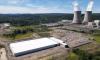 Oklo COO Says Nuclear Waste Could Power America For 150 Years
 SpaceX Announces LARGEST Starship Mission Ever! They've never done this before!
 Cars Are Fast Becoming Dystopian Prison Pods...
 Our Emergency Water Plan Wasn't Good Enough - So We Built This
 Sodium Ion Batteries Can Reach 100 Gigawatt Per Hour Per Year Scale in 2027
 Juiced Bikes proves capable electric motorcycles don't have to cost a lot
 Headlight projectors turn your car into a drive-in theater
 US To Develop Small Modular Nuclear Reactors For Commercial Shipping
 New York Mandates Kill Switch and Surveillance Software in Your 3D Printer ...



Cheap Debt Today, Pain Tomorrow
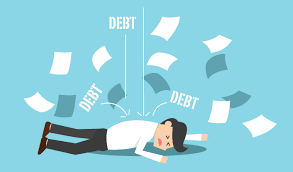
He walks through bond market complacency, rising consumer inflation expectations, the danger that foreign creditors may stop funding the deficit, and how politics has dulled fiscal accountability. He also points to a technical breakout in sound money assets, and he cautions that price controls will only make a bad problem worse.
He opens by calling out complacency in the bond market and insists the government is borrowing on the cheap right now, which cannot last forever:
I think the bond traders are kind of walking past the two, maybe not as blindly as the equity traders, because I think if the bond investors really perceived the gravity of the threat, yields would already be a lot higher than they are right now. I still think that the U.S. government is getting off cheap, being able to borrow money for 30 years at just 5%. You know, you could go look back at what the U.S. government was paying to borrow money in the 80s and the 90s, let alone the 70s, and it was paying a lot more than that.
He then points to survey data showing consumers expect higher inflation, and argues that official targets do not reflect what savers and borrowers actually face:
If you look at the most recent numbers from the consumer, they're expecting inflation over the next 10 years to average about four percent. So those expectations are already double what the Fed's so-called target is. And I think even the consumer is too optimistic. I think inflation is going to be higher than that. And I think in the bond market, expectations are drifting away and they're going to drift a lot further away because a two percent at this point is a pipe dream.
Warnings from a former Treasury secretary show this is not mere academic worry, and he criticizes policymakers for preparing emergency plumbing instead of stopping the leak:
You know, a former secretary of the Treasury, Hank Paulson, you know, recently came out and said that the U.S. needs to develop a 'break the glass' kind of emergency plan to deal with the situation when foreigners no longer want to loan us money and they don't want to buy our bonds. So we have to figure out an emergency plan. He didn't even talk about, hey, let's try to avert this crisis. Let's get ahead of it. Let's make some cuts to government spending so that we don't have to face this crisis.