










Breaking News
 Rep. Massie Proposes NDAA Amendment Preventing Integration of IDF with US Military
 Liberals Have Relaxed About Trump Because They Trust Him To Keep the Wars Going
 LIVE Coverage of President Trump's Historic Speech Exposing Communist Chinese & Their Allies'
 The Next Recession? What Americans Need To Know |Jiang Xueqin Explainer
Top Tech News
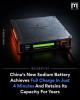 Chinese researchers have developed a sodium-metal battery that can fully charge in just 4 minutes...
 SpaceX Starship Flight 13 in 3 Days - Thursday July 13
 Chinese Scientists Develop Nuclear Battery Using Carbon-14
 Teleoperated humanoid robots complete first-ever live surgery
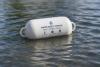 Floating capsule auto-disinfects water without chemicals or battery
 Modular Reactors To Solve Data Center Hysteria?
 DeepSeek Developing In-House AI Chip In Bid To Cut Nvidia Reliance
 America just took three brand-new nuclear reactors critical in thirty days, a first for any...
 Your brain doesn't peak in your 20s after all: Study reveals your mind is at its sharpest betwee
 Compasses, not maps: China is building a different type of AI



NY Times Asks Court To Throw Out Subpoena Of Its Reporters
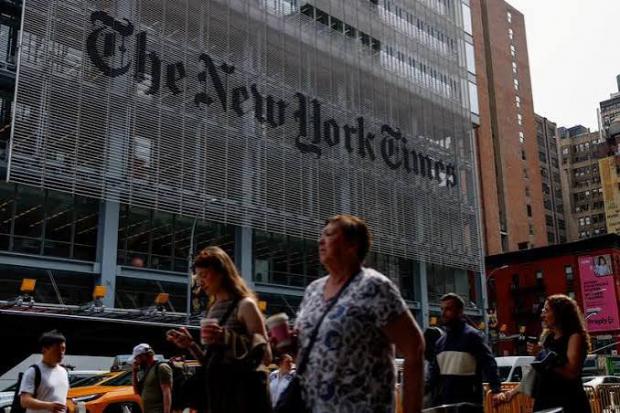
The paper published the story earlier this month alleging the new plane lacked some defensive features of the older Air Force One aircraft, which the White House denied. That led Manhattan U.S. Attorney Jay Clayton to issue subpoenas to find out where the reporters were getting their information.
Acting Attorney General Todd Blanche, during his Senate confirmation hearing on Wednesday, said the subpoenas were issued to find out who leaked information to the NY Times. Justice Department rules required him to authorize the subpoenas.
"We're not targeting reporters," Blanche told Sen. Peter Welch (D-Vt.), later adding, "The question we want to ask them is who provided them with classified national security information."
David McCraw, senior vice president and deputy general counsel of The NY Times, said the subpoenas were "brought in bad ?faith to punish The Times for its coverage."
"We are going to court to ?defend our journalists' ?rights to report freely on the administration and to provide the public with stories that matter," McCraw said.
Motions to quash a subpoena are usually sealed. McCraw has asked the court to make the contents of his motion public, arguing that people have a right to know about the case.
Like Blanche, Clayton is under congressional scrutiny this week as he looks to the Senate to confirm him as Director of National Intelligence. He hopes to replace Bill Pulte, who is filling in for Tulsi Gabbard. She stepped down from the role earlier this year to be with her husband, who she revealed has cancer.
Clayton told Sen. Ron Wyden (D-Ore.) that he did not want to publicly go into details about the subpoenas—or who asked that they be issued.
But he said that he was "absolutely committed to" respect for the First Amendment and journalists. He added that he and his team "followed the processes that we're required to follow."
First Amendment advocacy groups like the National Press Club have asked the Justice Department to withdraw the subpoenas.
"A free and independent press serves the people, not the government," the organization's president, Mark Schoeff Jr., said in a statement.
"The greatest danger isn't the subpoena itself. It's the message it sends. It tells sources to stay silent. It tells whistleblowers to think twice."
Days after subpoenas were issued to the New York Times journalists, War Secretary Pete Hegseth announced on July 13 that the War Department and the Department of Justice launched a joint task force to investigate and prosecute anyone involved in leaking sensitive information to the media.