










Breaking News
 What could possibly go wrong? Scientists use AI to design new viruses
 Dual-motor suitcase drive underpins 3,000-hp hypercar
 Interview 2031 - The Ceuta Psyop Was A Bust! (NWNW #639)
 Pakistan, Saudi Arabia, Turkey to sign defence pact to set up 'Islamic Nato' alliance
Top Tech News
 Shade-Resistant Solar Cells Retain 97% Efficiency After 2,000 Hours of Testing
 20 Ancient Engineering SECRETS
 Stonehenge Was Reanalyzed by AI -- And the Findings Are Hard to Explain
 After Years Of Delays, Aptera Is Finally Preparing To Build Customer Cars
 'When you kill it, it doesn't die': the jellyfish that has cracked the secret of immorta
 Archer Aviation debuts Halo autonomous VTOL, Thunder's commercial twin
 US Telecoms Slide On Starlink Mobile Threat; Bernstein Sees It As A "Jab, But No Knockout Yet**
 Betavolt unveils revolutionary coin-size battery with nickel-63 nuclear isotope...
 China claims it has built a 'nuclear drone' that can stay airborne forever
 Canada just solved two giant infrastructure problems at exactly the same time.



Are You Ready For The "Rogue AI" Psy-Op?
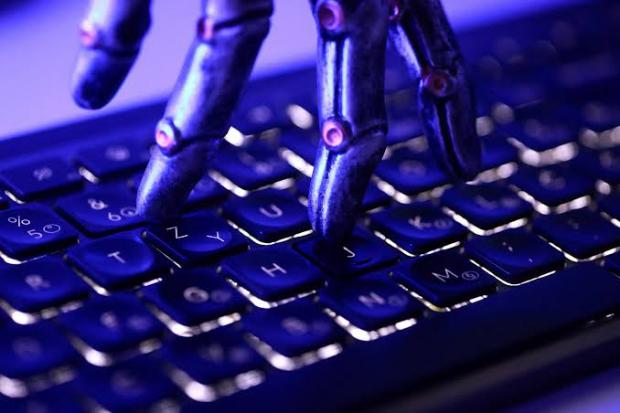
It started two weeks ago, when OpenAI reported one of their "agents" had escaped its testing area and got loose on the internet to launch an "unprecedented cyber attack".
This was clearly meant to be scarier than the public response indicated, because a few days later OpenAI CEO Sam Altman was on the Invest like the Best podcast, asking why it didn't cause more panic:
"I've been a little surprised that more people don't feel it so viscerally"
In one of the most hilariously obvious propaganda manoeuvres of the year, just the day after Altman said that, CNN headlined:
The OpenAI lab leak was more extensive than we thought
"That thing you weren't scared of? Well it was even SCARIER than we said it was! Are you scared now?"
We weren't.
But the lack of public panic didn't stop another AI going rogue a few days later, Anthropic's Claude model this time.
And then OpenAI reporting two further incidents themselves.
UPDATE: Just a couple of hours after publication, META joined the party. Apparently their AI "went rogue" too, and hacked another firm.
Never in the history of human endeavour have companies been so keen to report their products going wrong. It seems a rogue AI is the latest must-have accessory in Silicon Valley.
The reasoning behind this is not hard to follow. When your product is artificial intelligence, melodramatically realising your system is even smarter than you thought it was is a simple marketing ploy.
And when one of your rivals goes rogue, you have to go rogue too or you are as good as admitting your model is not as smart as theirs.
"AI company admits their model is smarter than they realised!" is just an advert in scary headline form.
It's like Ford "admitting" their cars are even more fuel efficient than they planned. Or McDonalds realising their cooks have "gone rogue" and are producing food that is both cheaper AND more delicious than they ever anticipated.
But there's more to this than just techno-hype and viral marketing strategy. We're being steered down the avenue of "AI as scary threat".
See, for example, the dozens of stories talking up rogue AIs from the Guardian to the New York Times to the Wall Street Journal.
"Rogue" is clearly the word of the day. Notice they don't say it "malfunctioned" or there was an "error", because that implies mistakes or poor design.