










Breaking News
 Iran war shifts to the economic front as US and Tehran battle for the upper hand
 The West studies China's power -- but not its civilization
 Autopsy Bombshell: Los Alamos Lab Worker's Death Looks Like Murder
 Tokenization Of H?O: Elites Are Claiming The World's Water Supply & Plan To Trade It
Top Tech News
 The Lucid Cosmos Will Have More Range Than Any Tesla
 Strong 3D printable elastic polymer resists damage
 Double hydrogen-combustion car breaks world land speed record
 Vitalik Buterin Says Ethereum Is Betting Its Future On Quantum Security And AI
 Everything You Wanted To Know About Building A Cheap AI Setup (That Still Works)...
 If They Were Human, They'd Be Arrested. Experts Respond To Rogue AI Breaches
 Sodium Ion Batteries Will be 80% Cheaper & Last LONGER!
 German startup SAXON Q has introduced a diamond-based quantum computing system...
 Elon Musk To Build The Largest Building In The World - 100 Million Square Feet
 Bitcoin 'Red Team' Says AI Is Finding 100s Of Critical Exploits Across Core Projects



Iran war shifts to the economic front as US and Tehran battle for the upper hand
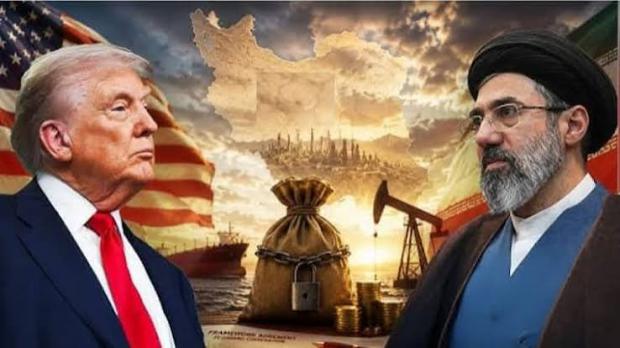
The Iran war is increasingly being fought beyond the battlefield. Its new front is Iran's economy, as Washington relies more heavily on sanctions, oil restrictions, financial pressure and a naval blockade to force Tehran to yield. The question now is whether Iran will buckle under the pressure or whether the economic costs will increasingly spread to the US and its allies.
Months into the conflict, the Trump administration is shifting greater weight onto sanctions, oil restrictions, financial pressure and the naval blockade of Iranian ports. The strategy is designed to deprive Tehran of the revenue and international economic access it needs to sustain itself and, ultimately, push it towards concessions.
Recently, US Treasury Secretary Scott Bessent has indicated that Washington is preparing economic measures against Iran that it considers more severe than previous sanctions campaigns.