










Breaking News
 'Not Simple': Witkoff, Kushner Meet Putin For High-Level Peace Talks Under 72-Hour Ukraine A
 Iran: Several Ballistic Missiles Fired At US Aircraft Carrier, Navy Destroyer
 Why you won't be getting a flying car
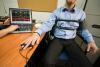 Iran war paranoia: Why did the US order lie detector tests for top military generals?"
Top Tech News
 Floating data center would provide water and electricity to 32,000 homes
 OpenAI Cuts Off Elon's Cursor, Humanity's First Star Probe, and Trump's Nuclear Mars Shi
 Eating pollution? Plastic-to-cookie technology raises safety, environmental concerns
 Ford's $30,000 Fathom EV Truck Appears More Conventional Than Expected
 Berlin-based artist Simon Weckert explored that idea with Digital Camouflage...
 Tether expands tokenization business into Saudi Arabia, starting with real estate
 Ukraine is facing a new problem in its war with Russia:
 It charges more than it discharges while driving
 Dataminr AI tech to go live on NATO Maven system: CEO
  The Most Dangerous Interview Ever Recorded? PART 2


Iran war paranoia: Why did the US order lie detector tests for top military generals?"
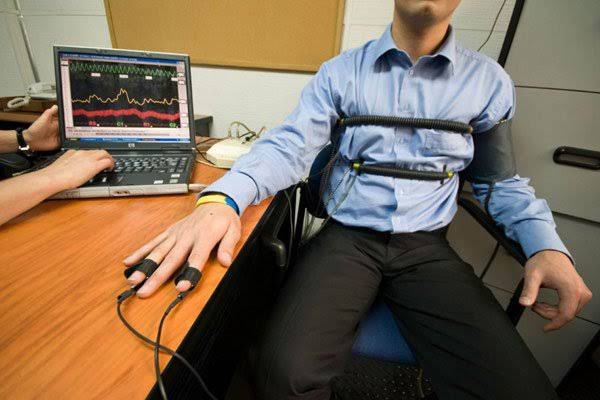
With Trump furious over the disclosures, the Pentagon is trying to find out who spoke to the media and whether anyone could be acting as a foreign intelligence asset
The Pentagon has turned to an uncommon tool in its hunt for the source of leaks: the lie detector. Several dozen senior military and civilian officials were reportedly subjected to polygraph examinations earlier this summer as part of an investigation into reports about dwindling US stocks of some sophisticated weapons.
Around 50 personnel who were working with the US military's Joint Staff were subjected to the test, according to The New York Times (NYT), which was the first to report the story. The staff were grilled on whether they disclosed information to the press.
The examinations took place in August after reports highlighted shortages of critical munitions, including long-range missiles and Patriot interceptors, during the US war with Iran, according to the NYT report.
What exactly were investigators looking for? And why has the issue become so sensitive?
What are the officials being questioned about?
The investigation centres on whether classified information about US weapons stockpiles was passed to journalists.
According to CBS News, the information was particularly sensitive because only a small group of people had access to the details. That raised another concern within the administration about whether someone with access to the information could potentially be working as a foreign intelligence asset, a source told the publication.
The officials who underwent testing were asked questions about national security matters, including whether they had disclosed classified information to the media.
But the tests have not produced a clear culprit so far. No one failed the questions specifically designed to determine whether officials had leaked information to journalists.
Gen Dan Caine, chairman of the Joint Chiefs of Staff, was not among those subjected to the examinations, a senior Pentagon official told CBS.
The investigation was not only about identifying who might have leaked information, but also about intimidating others who might consider doing so in the future, the NYT reported.