










Breaking News
 15 Years After Occupy, the Case Against the System Has Never Been Clearer
 8 Prepper Hacks for Cleaning Without Running Water
 The Economy Is Stagnating
 Britain To Appoint A Dedicated Tax Agent To Every Single Billionaire
Top Tech News
 BEYOND THE MOON: NASA plans a nuclear-powered fleet to push DEEPER into space
 Big Oil Backs Mazama's $135 Million Bet On Superhot Geothermal
 Quantum compass takes flight on Northrop's Lumberjack drone
 Terrifying AI Behavior Even Its Creators Couldn't Explain
 WW3 Near-Miss? AI Hallucinated Nuclear Weapons Components Aboard Chinese Vessel Bound For Iran
 Stripe Is Building the Toll Road for the Machine Economy
 Toyota Dakar hopeful swaps twin-turbo V6 for hydrogen fuel cells
 4-min turbo-inflatable cubic camp castle is now available in the USA
 Researchers Used Claude To Hack OpenAI Employee Accounts
 Chinese Scientists Develop New Oil Refining Method That Cuts Energy Use by 90%



The Economy Is Stagnating
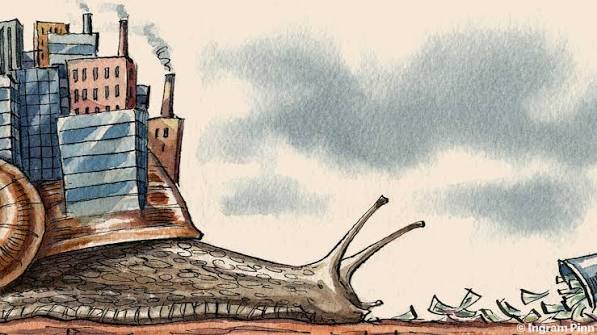
Economists expected the annual rate to decline to 3.6%, yet it remained unchanged from June, while core PCE excluding food and energy increased 0.2% monthly and 3.3% annually. The political class has spent years promising that inflation was retreating, but prices are still rising at nearly twice the Federal Reserve's official target after households already endured the largest cumulative increase in the cost of living in decades.
This is what they refuse to explain when they celebrate a lower inflation rate. A decline in the RATE of inflation does NOT mean prices declined, for it merely means the government believes they are increasing at a slower pace. The rent, insurance premium, electric bill, grocery receipt, property tax, and cost of borrowing do not return to where they stood before the inflationary wave began, and wages must rise faster than this accumulated increase simply to restore purchasing power that has already been destroyed.
The core figure is equally deceptive because removing food and energy excludes two of the expenses people cannot avoid. Economists defend this practice by claiming those categories are volatile, but that volatility does not make the expense imaginary. Energy flows into transportation, agriculture, manufacturing, utilities, packaging, and practically everything that must be produced or delivered, while food is not some discretionary luxury that families can postpone until the next Federal Reserve meeting.
The problem is now spreading well beyond one monthly inflation report. The economy expanded at an annualized rate of only 1.5% during the second quarter, employers eliminated 23,000 jobs in July, and May and June payrolls were revised downward by a combined 103,000. Inflation remains at 3.7% while employment has been stagnating for months, which is the precise environment the Keynesian playbook cannot resolve because raising rates attacks economic activity while doing nothing to repair the geopolitical, fiscal, regulatory, and supply-side pressures driving prices.
The Federal Reserve is now trapped by government. Washington continues to borrow and spend regardless of the business cycle, forcing the Treasury to compete for capital while interest payments consume an expanding share of federal revenue. The central bank can raise short-term rates, but it cannot produce oil, lower insurance costs, reverse taxation, rebuild supply chains, end wars, or restore confidence among businesses that no longer know what their expenses will be six months from now.
This is not a new inflation cycle appearing in July, just as the weak employment report did not suddenly mark the beginning of labor deterioration. Both figures confirm a trend that has been in motion beneath the government's revised statistics for some time. The private economy is losing momentum while the cost of government, debt, energy, insurance, and basic necessities continues to rise, and calling this a "soft landing" will not change the fact that Americans are being forced to pay more merely to stand still.