










Breaking News
 How I heat and cool my shop...Wood, Propane and Cozeware mini split powered by the sun.
 Iran, the Midterms, and the Myth of Government by the People
 AI as a tool of Empowerment! I've built a local system and You Can Too!
 Stablecoin Transfers Quadruple To $891B As US Banks Expand Adoption
Top Tech News
 Ancient Builders Moved Stones We Still Struggle to Explain
 Startup Unveils "Big Iron" Rocket Whose Upper Stage Is An Orbital Data Center
 The NYPD's New Cell Tracker Is Built For Mobility
 Electronic skin instantly displays touch as light
 $10k EV hatch packs in 5-minute flash charging
 Apex Recordhunter electric drone sets unofficial speed record
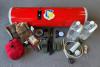 Space-age manna: USAF & SpaceX drop survival kit from orbit
 World's first nuclear fusion power plant coming to WA | FOX 13 Seattle
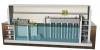 Advanced Small Modular Reactors (SMRs)
 A U.S. energy startup has demonstrated a new type of nuclear reactor that uses existing nuclear...



"Live Fines"
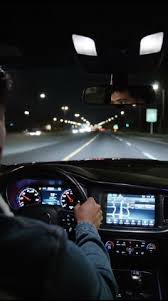
All along the I-95 corridor – which runs from Maine to Florida, along the length of most of the East Coast – states are implementing a so-called "live fine" system that uses speed cameras and automated plate readers to identify drivers who've violated any traffic laws (not just "speeding") and automatically send them a ticket in the mail.
This accomplishes a number of nefarious purposes, the most obvious being to suck whatever lingering joy remains in driving out of it by eliminating the previously high chance of "getting away" with it. Meaning, not having to obey every single traffic law to the letter. Which means the end of being free to use your own judgment, based on your own estimation of your own capabilities in favor of least-common-denominator-based mindless obedience.
Of course, some equate the latter with "safety" and so are either all for it or unable to intelligently argue against it.
This is how we got to where we are, by the way. This acceptance of the assertion that every traffic law is not just necessary but sacrosanct; that it is always wrong to not obey every single one, every single time. Yet, we regularly do not obey them – which is an interesting incongruity when you take a moment to try to reconcile the two things. Most of us regularly drive at least a little faster than whatever the speed limit is – in part because almost everyone else is doing the same.
Are we all doing a bad thing?
If so, we do almost none of us ever feel the slightest twinge of guilt when we are stopped by a cop for "speeding"? We may pretend – to the cop – that we're remorseful, in the hope that if we play along, maybe the cop will let us go with just a warning. But we're not actually sorry. We're angry – inside – and even more so if the cop ends up giving us that piece of payin' paper (as the great Greaseman used to call these extortion notes) which is not just interesting but fascinating because unless we are all sociopaths, there is something telling about this absence of guilt for doing something the law insists is wrong.
To better understand what I am getting at, imagine you accidentally hit a motorcycle rider and he dies. You'd feel mortified; if the accident was your fault, you'd feel guilt and remorse for the rest of your life – assuming you're not a sociopath. You'd accept responsibility – as well as punishment, knowing you are responsible and deserve to be punished.