










Breaking News
 How I heat and cool my shop...Wood, Propane and Cozeware mini split powered by the sun.
 Iran, the Midterms, and the Myth of Government by the People
 AI as a tool of Empowerment! I've built a local system and You Can Too!
 Stablecoin Transfers Quadruple To $891B As US Banks Expand Adoption
Top Tech News
 Ancient Builders Moved Stones We Still Struggle to Explain
 Startup Unveils "Big Iron" Rocket Whose Upper Stage Is An Orbital Data Center
 The NYPD's New Cell Tracker Is Built For Mobility
 Electronic skin instantly displays touch as light
 $10k EV hatch packs in 5-minute flash charging
 Apex Recordhunter electric drone sets unofficial speed record
 Space-age manna: USAF & SpaceX drop survival kit from orbit
 World's first nuclear fusion power plant coming to WA | FOX 13 Seattle
 Advanced Small Modular Reactors (SMRs)
 A U.S. energy startup has demonstrated a new type of nuclear reactor that uses existing nuclear...



Podcast - Scott Horton - AIPAC, Israel & The War Machine: Who Really Drives U.S. Foreign Policy
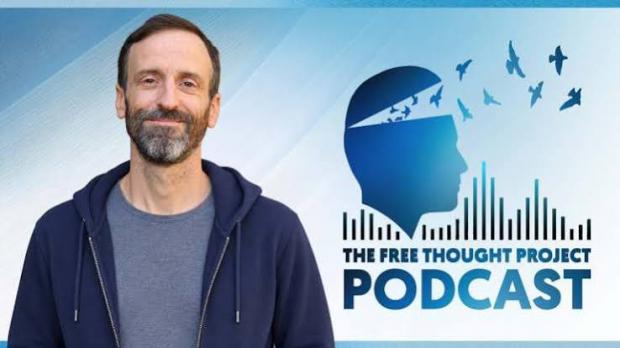
Matt, Jason, and Don sat down with Scott Horton, director of the Libertarian Institute, editorial director of Antiwar.com, and host of The Scott Horton Show, which has logged more than 6,000 interviews since 2003. The author of Fool's Errand, Enough Already, and Provoked, and co-host of the Provoked podcast with Darryl Cooper, Scott has spent decades making the case against American empire, and his recent appearance on The Joe Rogan Experience carried that message to a huge new audience.
Scott opens by arguing that AIPAC's decision to stop publicly endorsing candidates is damage control for a toxic brand, not a loss of influence, since its super PAC keeps operating. From there the conversation turns to Iran, where he argues that diplomacy was within reach, that Iran was not racing for a bomb, and that the strikes and the killing of the supreme leader have empowered military hardliners and raised the pressure to build one. On Ukraine, he walks through NATO expansion, the Istanbul talks, and why he believes security guarantees are now the central obstacle to a settlement, warning that every month of fighting weakens Ukraine's hand and that a US promise to fight Russia "next time" would be dangerous. The group also weighs how the midterms could shift American support for the war, and whether artists owe the public a political stance on war, given the career risk of taking one.
To close on a positive note, Scott is asked how to channel the growing left-right fatigue with endless war and rising prices into a movement that can dismantle the military-industrial complex. His answer starts with Ron Paul's lesson that education and public consensus come first. He points to pressure at the state level and in House races, where no lobby can control all 435 districts, stresses that the presidency is where war powers ultimately sit, and names sincere America First figures such as Tucker Carlson, Thomas Massie, and Joe Kent as the kind of leadership that could bring a soft landing for the empire. He wraps up by pointing listeners to the Scott Horton Academy of Foreign Policy and Freedom, a library of long-form courses designed so anyone can get up to speed on the Middle East, the new Cold War, and the war in Ukraine.