










Breaking News
 Deutsche Bank To Debut Bitcoin Custody Within Weeks: Report
 The Erosion Of Stability
 Expert Pilot Explains What Likely Caused SHOCKING Plane Crash in Florida
 BREAKING: Palm Beach Learjet Crash Victims Identified
Top Tech News
 PRP vs Exosomes vs Stem Cells: Which Fits Your Condition?
 SHOCKING: The Secret (Frantzve) Family Business
 Microreactor Gets DOE Approval for Full Power Testing, Previously Contracts with Army...
 Ford Fathom: Everything We Know About The Sub-$30,000 Affordable EV Truck
 Love it or loathe it, AI is birthing a golden age of science
 SpaceX has no competition -- Saurav Shroff, Starpath
 Living computers forge a 'hive mind' and work together to outsmart AI
 The Faraday duffle bag: A digital lifeline in a surveillance-saturated world
 Delivery Robots Accused Of Scanning Customers' Faces, Sharing Biometric Data
 FDA-Approval for Drill-Free Cavity Care May Be Imminent After Great Phase 3 Treatment Trial



"Kill Me Clinics": Disturbing New Industry Quietly Spreads Across America
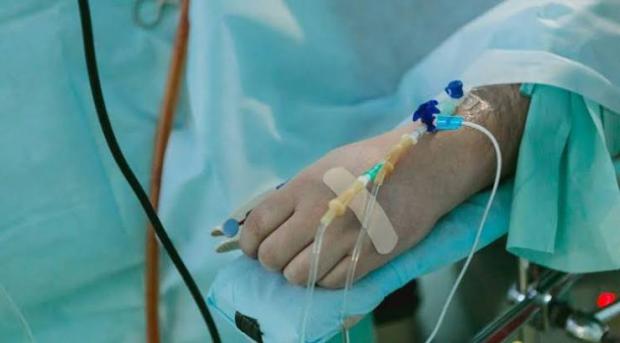
In New York, where assisted suicide became legal in August, a boutique clinic called Quietus is charging patients up to $12,000 to end their lives. The clinic was founded by David Atkins, a former hospice worker who spent more than a decade living in Buddhist temples in South Korea. Atkins told the Mail that 15 people have already died through his clinic, while another 40 to 50 have contacted the business or been referred.
"You borrow this body from the universe. It's like a rental car, and then at a certain point, you got to return the rental car," Atkins said.
Patients are prescribed a lethal cocktail of drugs that they consume at home, typically losing consciousness within minutes and dying within an hour. However, some have reportedly taken hours or even days to die.
Quietus charges $11,000 for its services, plus another $1,000 for the drugs. Competing providers in California and New Mexico advertise prices ranging from $2,500 to $3,000. The emergence of these clinics has sparked concerns that assisted suicide is becoming a lucrative business, with critics warning that financial incentives could put vulnerable patients at risk.
"It's sadly no surprise to see kill-me clinics popping up in New York, because most doctors don't want to touch assisted suicide with a ten-foot pole," Jessica Rodgers of the Patient's Rights Action Fund told the Mail.
Rodgers accused some providers of setting up practices "to make lucrative profits off of scared patients."
Atkins pushed back against the criticism, insisting his clinic has turned away patients who aren't terminally ill and referred them for mental health assistance instead. "The goal is that those who can afford this will balance out those who cannot afford it," he said.
Under New York law, patients must be terminally ill adults with six months or less to live, undergo a mental health evaluation and administer the lethal drugs themselves. In Canada, where the practice was legalized in 2016, 16,499 people received medical assistance in dying in 2024, accounting for 5.1% of all deaths, according to government figures.
Unlike in New York, Canadians no longer have to be terminally ill to qualify, which has long raised concerns among opponents about how far eligibility could eventually expand.