










Breaking News
 Ukrainian Intelligence Just Tried Its Own Version Of The Israeli Pager Attack
 Futures Mixed As America Votes, Apple Slides And Oil Rebounds After "Defensive" US Strike
 Second Wave Of Cyberattacks Paralyze Supermarket Fridges Across EU, Weeks After Gov'ts Urged...
 Alarming Abuse Identified In Secret Ukraine Azov Battalion Detainment & Forced Conscript...
Top Tech News
 PRP vs Exosomes vs Stem Cells: Which Fits Your Condition?
 SHOCKING: The Secret (Frantzve) Family Business
 Microreactor Gets DOE Approval for Full Power Testing, Previously Contracts with Army...
 Ford Fathom: Everything We Know About The Sub-$30,000 Affordable EV Truck
 Love it or loathe it, AI is birthing a golden age of science
 SpaceX has no competition -- Saurav Shroff, Starpath
 Living computers forge a 'hive mind' and work together to outsmart AI
 The Faraday duffle bag: A digital lifeline in a surveillance-saturated world
 Delivery Robots Accused Of Scanning Customers' Faces, Sharing Biometric Data
 FDA-Approval for Drill-Free Cavity Care May Be Imminent After Great Phase 3 Treatment Trial



Rivian's 'Boring' Commercial Van Is Turning Into A Secret Weapon
The R2 is clearly the star of the show for Rivian. Designed from the start to be cheaper than its flagship R1 line of rugged EVs, the $45,000 (eventually) crossover is Rivian's first real shot at taking on the Tesla Model Y and a shiny beacon of hope for its scramble toward profitability. The gamble is paying off. On Thursday, the California startup announced that the R2 was its best-selling vehicle in Q3, just a few months after it hit the market in June.
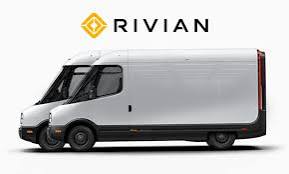
But there's another, less flashy vehicle in Rivian's stable that's quietly cleaning up and becoming a serious revenue driver: the humble EDV commercial van. You've probably seen the bug-eyed cargo-hauler silently doing Amazon-delivery duty in your neighborhood. Get ready to see a whole lot more of them.
"This year we have seen a significant step up in the level of demand from Amazon," Rivian founder and CEO RJ Scaringe said on an earnings call this week. He said the logistics giant, which was an early Rivian investor, is scooping up more vans due to the vehicle's lower running costs. That's not hard to believe, given the lower maintenance burden of running EVs generally and the eye-watering price for diesel these days.
"It's creating true and very real structural cost advantages that are leading Amazon to double down to continue to buy more vehicles," Scaringe said.
While Rivian doesn't break out delivery volumes across models, the company's financials point to a booming van business. In just the third quarter, Amazon paid Rivian $596 million, more than it did through the first three quarters of last year combined. So far this year, Rivian booked $1.6 billion in revenue from Amazon—primarily related to EDV sales—a nearly threefold increase year-over-year.
To be sure, Rivian still loses money. It reported a net loss of $913 million for the third quarter, an improvement from a $1.17 billion loss during Q3 of 2025. The startup pitches the R2 as key to its long-term financial health, and a high-margin software and services business is bringing in some profits to help fund that vision.
Rivian's van faces a shrinking competitive field, too, as other players in the medium-duty EV space struggle to gain traction or bow out. Ford has sold fewer than 700 E-Transit vans this year, an 85% drop over the same period in 2025, and it canceled a next-generation model. General Motors axed its BrightDrop electric delivery vans entirely late last year.
It's really Rivian and other EV startups that are driving the electrification of commercial vehicles in America, says Ray Minjares, who runs the heavy-duty vehicles program at the International Council on Clean Transportation. Rivian is leading in medium-duty EVs, he said, while Tesla's Semi is making waves in long-haul trucking. Harbinger Motors, another U.S. startup, just struck a deal to supply 2,000 electric trucks to FedEx.