










Breaking News
 Call Your (Cough) Representative
 Betraying America's Military and the Constitution They Swore to Defend
 Plant-Based Meat Alternatives Contain Mycotoxins Linked to Liver and Kidney Damage
 The Non-Obvious Anatomy of a Slow Collapse: How Economic Decline Reshapes Nations...
Top Tech News
 Dead Simple Apocalypse Power: Build It in an Hour
 Gritt and MasTec partner to bring physical AI to solar construction sites
 Baby it's cold INSIDE! Scientists create the coldest temperature ever recorded in the lab...
 I am IN LOVE with AIRCRETE! Off-Grid, Earth-Covered Dome
 Musk's Starlink Is Building An Orbital Bypass As Undersea Cable Sabotage Threats Mount
 A robot just built a structure in space for the first time
 The Greatest Theft in Human History
 3D-Printed Tungsten Survives 74 Fusion Plasma Discharges, Advancing the Engineering...
 Dude turns a $23 used smartphone into the 4G brain of an RC aircraft.
 China's World-Beating Supercar Just Hit 312 MPH



Plant-Based Meat Alternatives Contain Mycotoxins Linked to Liver and Kidney Damage
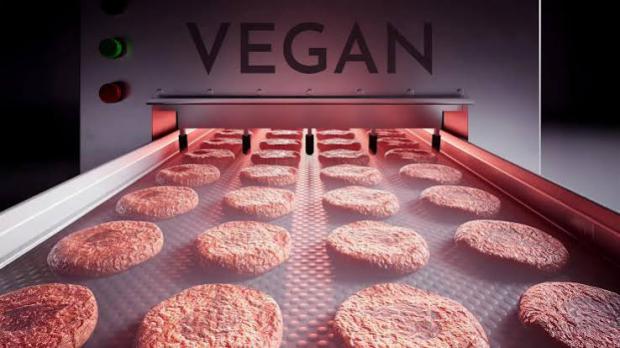
The toxic compounds are natural poisons produced by molds that colonize crops such as wheat, oats, corn, soy and peas. Mycotoxins can damage the liver, kidneys and immune system even at low levels.
If you've been choosing plant-based burgers because you assumed they were cleaner than conventional meat, a new U.K. study may change your thinking. Every plant-based meat alternative tested in the study contained at least one mycotoxin, and most contained several.
These toxic compounds are natural poisons produced by molds that colonize crops such as wheat, oats, corn, soy and peas — either in the field or during storage. They can damage your liver, kidneys and immune system even at low levels, and many resist the heat and processing steps used to manufacture finished foods.
That means contamination present at the ingredient stage can carry forward into whatever you find on the shelf. No individual product exceeded regulatory limits, so a single plant-based burger is unlikely to cause harm on its own.
The deeper concern is cumulative exposure — eating these products regularly means encountering low levels of multiple mycotoxins day after day, in foods specifically marketed as healthier alternatives to conventional meat.
To understand that concern, it's important to look closely at what the researchers found across the different products and which ingredients carried the heaviest contamination burden.
More ingredients in plant-based meats mean more mycotoxin exposure
For the study, published in Food Control, researchers analyzed 212 products from five major U.K. retailers for 19 different mycotoxins.
They found especially widespread contamination from a group known as emerging mycotoxins, meaning toxins that aren't yet routinely regulated despite their presence in the food supply. That gap matters because foods can legally contain these toxins at levels no regulator has formally evaluated for safety.
Beauvericin (BEA) appeared in 98.9% of the 92 plant-based meat alternatives, while enniatin A and enniatin A1 each appeared in 93.5%.
Put another way, several individual mycotoxins occurred in more than nine out of every 10 plant-based meat products tested. Laboratory studies have linked BEA and enniatins to cell-membrane disruption and mitochondrial toxicity, though their effects at dietary levels in humans aren't yet well characterized.