










Breaking News
 BRANDED
 The $50,000 Gold Trick: How Washington Plans to Fake Paying Off the Debt
 John Kiriakou goes through AIPAC history
 Necessary Tools
Top Tech News
 Smart Dust
 Artificial Intelligence Could Transform Bank Runs From Hours-Long Crises...
 We Can't Put AI Back in the Box… So We Must Make It Serve Pro-Human Interests
 Dubai Just Finished the World's First Permanent Air Taxi Route: Airport to the Marina in Under 1
 Doroni Aerospace Raises More than $60m for H1?X Development
 After 13 Years Battling Cancer, a 61-Year-Old Brazilian Man Achieved Complete Remission...
 Extraterrestrial habitats may rise via Legos of laser-fused moon dust
 Battery-only 19-seater puts China in the electric airliner race
 Dream Chaser space plane gets landing approval for debut mission in 2027
 SpaceX Just Caught Starship on Its FIRST Attempt!



Necessary Tools
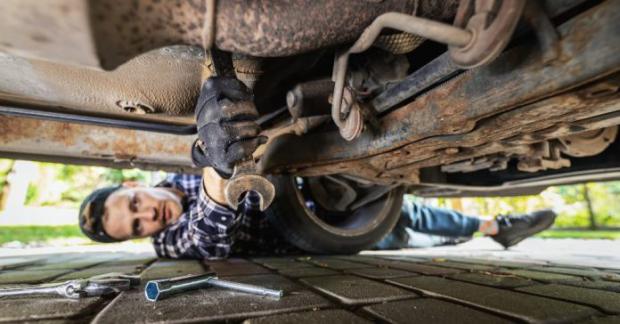
Fixing your car yourself used to be a thing most people did because they got satisfaction from doing it. As the cost of life has gone up, necessity begins to enter into it. Put another way, the money you save on car repairs by doing the work yourself (dealer hourly rates are now commonly $120-180 per hour) means money you have available for life's necessities, such as food and the mortgage/rent.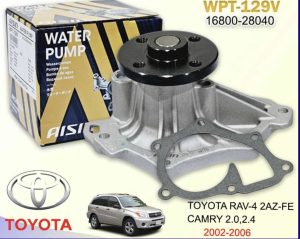
How much money can you save? It's always a lot. As an example, a few weeks ago, I replaced the failing water pump in a 2005 Toyota RAV4 owned by my girlfriend. The cost of the replacement pump was about $70 – and that was for a high quality, original-supplier replacement pump rather than a penny-wise (but pound-foolish) off-brand Chinesium pump such as those typically sold at many car parts retail outlets such as AutoZone and O'Reiily's. These cost as little as $25 but you'll pay for them again, soon – when the new pump fails after two or three years. The original-supplier replacement pump will hopefully last about the same 20 years that the RAV's original water pump did.
In any event, the cost to replace the pump was less than $100 – if you don't count the weekend (off and on) I spent replacing it. It's not the easiest job to replace a water pump on any FWD/AWD car because the pump is typically mounted on the front of the engine, which is mounted sideways in the chassis. This means there's usually very little room to get at the bolts and so on that must be removed/loosened to get at the part that has to be replaced.
That's why the typical cost to have this job done is around $400-$600. So, I saved about $300-$500 – which means I have that available to spend on necessities such as food. A good thing, too – given how much food costs in the Golden Age.