










Breaking News
 According to an informed federal official, in the coming months the Trump administration...
 Trump Called AI Doomsday Fears A 'Hoax' - AI Chat Bots Disagree
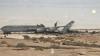 New photos show widespread damage at U.S. positions caused by Iranian missile, drone attacks
 Thomas Massie To Force Vote On Impeaching Pete Hegseth
Top Tech News
 Quantum computing may soon become part of the microscope itself.
 Volkswagen Just Unveiled The Most Efficient EV Ever Tested
 NASA Super Light Solar Sail Project Will Be 12-40 Times Lighter and Faster
 Space Telescope Interferometer to Image Exoplanet Continents
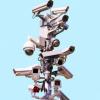 Twenty-five years of "temporary": how 9/11 built a surveillance state Americans never vote
 I'll Never Buy Another WALMART Battery!
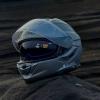 Shoei GT-Air 3 Smart helmet drops with built-in AR for $1,500
 AI Whistleblower Tells Tucker How AI Could Kill All Humans by 2040
 You Hate Flock? Well There's More...
 Will Spiking Diesel Prices Drive Autonomous Trucking?



Robot teachers invade Chinese kindergartens
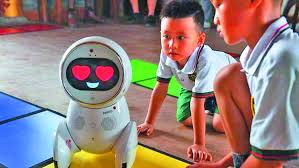
Just under 60 centimetres (two feet) high, the autonomous robot named Keeko has been a hit in several kindergartens, telling stories and challenging children with logic problems.
Round and white with a tubby body, the armless robot zips around on tiny wheels, its inbuilt cameras doubling up both as navigational sensors and a front-facing camera allowing users to record video journals.
In China, robots are being developed to deliver groceries, provide companionship to the elderly, dispense legal advice and now, as Keeko's creators hope, join the ranks of educators.
At the Yiswind Institute of Multicultural Education on the outskirts of Beijing, the children have been tasked to help a prince find his way through a desert -- by putting together square mats that represent a path taken by the robot -- part storytelling and part problem-solving.