










Breaking News
 Engineered backdoors in technology, have given intelligence agencies unfettered powers.
 AI-Powered Robots Plant Trees in China's Deserts
 Judge Temporarily Blocks DOJ From Using Evidence Proving James Comey's Guilt
 Offer Royale: Paramount-Netflix Bidding War For Warner Bros Heats Up In A Blockbuster Showdown
Top Tech News
 Build a Greenhouse HEATER that Lasts 10-15 DAYS!
 Look at the genius idea he came up with using this tank that nobody wanted
 Latest Comet 3I Atlas Anomolies Like the Impossible 600,000 Mile Long Sunward Tail
 Tesla Just Opened Its Biggest Supercharger Station Ever--And It's Powered By Solar And Batteries
 Your body already knows how to regrow limbs. We just haven't figured out how to turn it on yet.
 We've wiretapped the gut-brain hotline to decode signals driving disease
 3D-printable concrete alternative hardens in three days, not four weeks
 Could satellite-beaming planes and airships make SpaceX's Starlink obsolete?
 First totally synthetic human brain model has been realized
 Mach-23 potato gun to shoot satellites into space


Judge Temporarily Blocks DOJ From Using Evidence Proving James Comey's Guilt
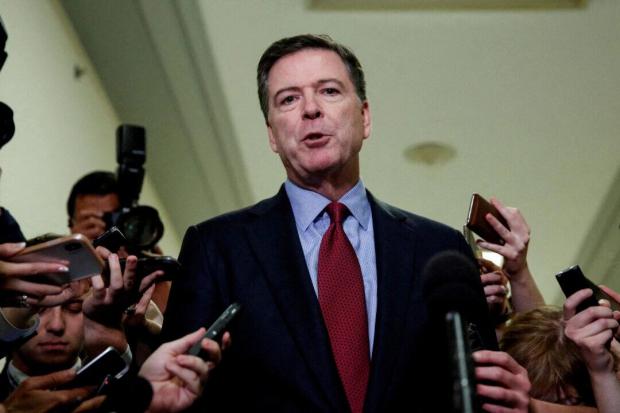
The ruling Saturday night from U.S. District Judge Colleen Kollar-Kotelly does not preclude the department from trying again soon to indict Comey, but it does suggest prosecutors may have to do so without citing communications between Comey and a close friend, Columbia University law professor Daniel Richman.
Comey was charged in September with lying to Congress when he denied having authorized an associate to serve as an anonymous source for media coverage about the FBI.
In pursuing the case, prosecutors cited messages between Comey and Richman that they said showed Comey encouraging Richman to engage with the media for certain FBI-related coverage.
The case was dismissed last month after a different federal judge ruled that the prosecutor who filed the charges, Lindsey Halligan, was unlawfully appointed by the Trump administration.
But that ruling left open the possibility that the government could try again to seek charges against Comey, a longtime foe of President Donald Trump.
After the case was thrown out, lawyers for Richman sought a court order that would bar prosecutors from continued access to his computer files, which the Justice Department obtained through search warrants in 2019 and 2020 as part of a media leak investigation that was later closed without charges.
But Richman and his lawyers say that in preparing the criminal case against Comey, prosecutors relied on data that exceeded the scope of the warrants, illegally held onto communications they should have destroyed or returned and conducted new, warrantless searches of the files.
Kollar-Kotelly on Saturday night granted Richman's request for a temporary restraining, instructing the department "not to access the covered materials once they are identified, segregated, and secured, or to share, disseminate, or disclose the covered materials to any person, without first seeking and obtaining leave of this Court."
"Given that the custody and control of this material is the central issue in this matter, uncertainty about its whereabouts weighs in favor of acting promptly to preserve the status quo," the judge stated.
Kollar-Kotelly ordered the government to "identify, segregate, and secure" the image of Richman's personal computer, along with his email accounts and other materials taken from his electronic devices, and barred prosecutors from accessing those files without the court's permission.