










Breaking News
 No Excuses: Throw A Party!
 Pentagon Partners With xAI Service For Military's Growing Artificial Intelligence Toolset
 Pharmakeia: America's Seniors Are Being Overmedicated Into Oblivion
 The New Battle for the Americas: Why the Western Hemisphere Is Becoming a Global...
Top Tech News
 Travel gadget promises to dry and iron your clothes – totally hands-free
 Perfect Aircrete, Kitchen Ingredients.
 Futuristic pixel-raising display lets you feel what's onscreen
 Cutting-Edge Facility Generates Pure Water and Hydrogen Fuel from Seawater for Mere Pennies
 This tiny dev board is packed with features for ambitious makers
 Scientists Discover Gel to Regrow Tooth Enamel
 Vitamin C and Dandelion Root Killing Cancer Cells -- as Former CDC Director Calls for COVID-19...
 Galactic Brain: US firm plans space-based data centers, power grid to challenge China
 A microbial cleanup for glyphosate just earned a patent. Here's why that matters
 Japan Breaks Internet Speed Record with 5 Million Times Faster Data Transfer



Will The CME Raid The Silver Party?
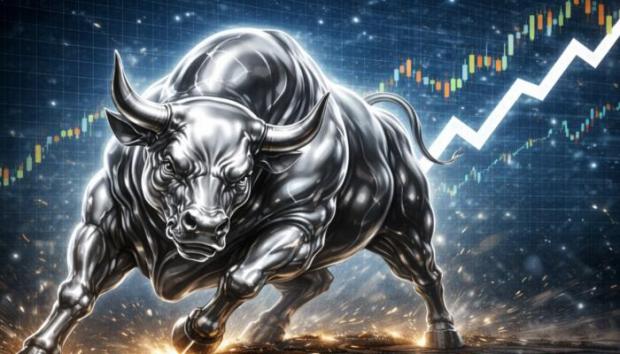
In this article, we examine the two similar price surges shown below to provide context for what may be occurring today and, importantly, for what might cause this bubble to pop tomorrow.
The Post Financial Crisis Silver Surge
As the turmoil of the Financial Crisis of 2008 began to ease in 2009, the price of silver embarked on a 500% rally, rising from $8.50 to $50.00 over two years. The Fed's excessive monetary responses to the crisis, alongside heavy speculation, created a perfect storm for silver.
During the crisis, the Fed cut interest rates to zero, introduced QE, and implemented a host of monetary bailouts. As a result, real interest rates (adjusted for inflation) collapsed into negative territory. The graph below shows that 2-year UST real yields fell sharply in 2009 and continued lower until mid-2011. The increase in silver prices coincided with the decline in real yields. Such distortions in monetary policy, as evidenced by real yields, benefit silver as it is considered a high-beta monetary hedge against extreme monetary policy actions.
While the monetary environment was conducive to such a rally, there was also a supply-demand mismatch benefiting prices. The supply of silver is relatively inelastic, meaning that mining operations can't promptly increase output to meet rapid changes in demand. The advent of ETFs makes the asset class far more accessible to a much larger class of investors, adding to the supply-demand imbalance. Maybe most impactful, speculative investors, using futures, options, and other forms of leverage, significantly boosted demand.
The boom ended in 2011 when the Chicago Mercantile Exchange (CME) raised margin requirements five separate times in nine days. The graph below, courtesy of Business Insider, shows the doubling of silver margin requirements and the destructive impact on prices. The CME's action forced deleveraging in the futures markets, resulting in silver falling by nearly 30% over a few weeks. Demand for physical silver didn't necessarily vanish, but leverage and the extra buying power it created did. Additionally, QE2 ended in June 2011; real interest rates began to rise, and the U.S. dollar appreciated.
The Fed's unprecedented monetary policy actions and speculative leverage drove up silver prices. As those factors reversed, and the CME made leverage costlier, silver prices crashed.
The 1970s Hunt Brothers Squeeze
The Hunt brothers, Nelson, Lamar, and William, had extensive holdings in oil, real estate, cattle, and sugar. Concerned about the effects of what they believed were careless monetary and fiscal policies, as well as the risks posed by the newly formed oil cartel (OPEC), they sought to hedge their businesses and assets. Since it was still illegal for individual investors to own gold, they chose physical silver.
The Hunts began buying silver in 1973, when the price per ounce was $1.50. Over the next six years, the Hunts increased their holdings to more than 200 million ounces, valued at more than $4.5 billion.