










Breaking News
 How to Install Linux From Scratch
 Why Populism Is The Real Reason For America's Political Atmosphere.
 Old Microwaves Are a Gold Mine Billions of People Don't Know This Secret
 The Unlisted Landline Is Back in 2026
Top Tech News
 EngineAI T800: Born to Disrupt! #EngineAI #robotics #newtechnology #newproduct
 This Silicon Anode Breakthrough Could Mark A Turning Point For EV Batteries [Update]
 Travel gadget promises to dry and iron your clothes – totally hands-free
 Perfect Aircrete, Kitchen Ingredients.
 Futuristic pixel-raising display lets you feel what's onscreen
 Cutting-Edge Facility Generates Pure Water and Hydrogen Fuel from Seawater for Mere Pennies
 This tiny dev board is packed with features for ambitious makers
 Scientists Discover Gel to Regrow Tooth Enamel
 Vitamin C and Dandelion Root Killing Cancer Cells -- as Former CDC Director Calls for COVID-19...
 Galactic Brain: US firm plans space-based data centers, power grid to challenge China



If Independent Agencies Are Unconstitutional, so Is the Fed
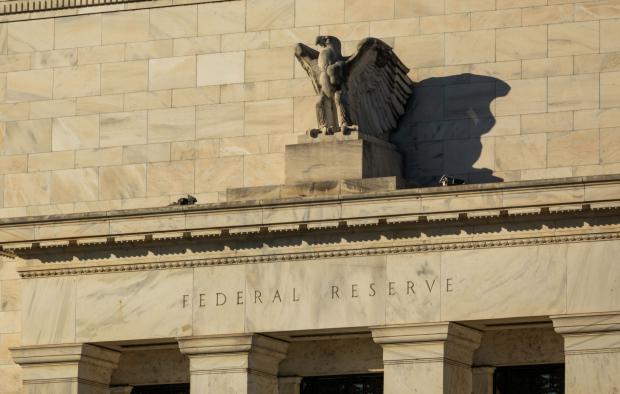
The Supreme Court has been systematically dismantling the modern administrative state. In several decisions, the justices have pushed back against the idea that executive-branch agencies can be insulated from presidential oversight. The constitutional principle is straightforward: Executive power must be accountable to the president.
Yet the court has hesitated to apply this logic to the Federal Reserve, easily the most important independent agency. That exception is increasingly hard to defend.
Recent Supreme Court cases such as Seila Law v. CFPB and Collins v. Yellen reject the notion that Congress may create powerful agencies whose leaders are shielded from removal by the president. The Court has been clear that technocratic expertise, political convenience, and even good policy outcomes do not override the Constitution's separation of powers. If an agency exercises executive authority, it must ultimately answer to the elected chief executive.
Monetary policy would seem to fit squarely within that framework. The Fed regulates banks, influences the availability and price of credit, and controls the nation's ultimate settlement asset. These decisions materially shape markets for labor, housing, and securities, which include the market for Treasury debt. If this does not count as executive power, what does?
And yet the Court appears willing to carve out an exception for the central bank. Defenders of Fed independence point to history, especially the First and Second Banks of the United States, and to the dangers of presidential meddling with monetary policy. They warn that subjecting Fed decisions to democratic accountability would invite political interference, with the likely result of excessive dollar depreciation.
But these are not constitutional arguments. They are prudential ones. They do not change the basic matter of what the Constitution says about executive authority. If the Constitution rules out conventional central banking, it is central banking that needs to change, not the Constitution.
History alone cannot justify departures from constitutional structure. Contrary to the Supreme Court's claims, the First and Second Banks of the United States bore little resemblance to today's Federal Reserve, as even Fed Chair Powell recognized. They lacked modern macroeconomic stabilization powers, operated under government charters, and existed for limited terms. Invoking them as precedent for an unaccountable central bank with sweeping discretionary authority is an historical solecism.