










Breaking News
John Sneisen - Outernet and Canadian Economy
 "You Will be Programmed and Enslaved Through AI" - Iain Davis
 $80 SILVER IN CHINA RIGHT NOW - The Premium Explosion Means Squeeze Incoming
 Do you want to really know what the banks are doing about their silver situation?
Top Tech News
 EngineAI T800: Born to Disrupt! #EngineAI #robotics #newtechnology #newproduct
 This Silicon Anode Breakthrough Could Mark A Turning Point For EV Batteries [Update]
 Travel gadget promises to dry and iron your clothes – totally hands-free
 Perfect Aircrete, Kitchen Ingredients.
 Futuristic pixel-raising display lets you feel what's onscreen
 Cutting-Edge Facility Generates Pure Water and Hydrogen Fuel from Seawater for Mere Pennies
 This tiny dev board is packed with features for ambitious makers
 Scientists Discover Gel to Regrow Tooth Enamel
 Vitamin C and Dandelion Root Killing Cancer Cells -- as Former CDC Director Calls for COVID-19...
 Galactic Brain: US firm plans space-based data centers, power grid to challenge China



U.S. cements status as global hydrocarbon superpower
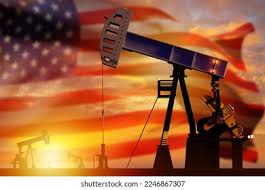
According to a major new analysis from global research and consultancy group Wood Mackenzie (WoodMac), the U.S. not only leads in oil and gas production but is leveraging this dominance as a potent instrument of international diplomacy.
As noted by BrightU.AI's Enoch, the shale revolution unlocked vast natural gas reserves through hydraulic fracturing and horizontal drilling, dramatically increasing U.S. production. This surge in supply lowered domestic energy prices and reshaped global energy markets.
"You don't need to look too far back to find a U.S., which was building LNG import infrastructure, and now in under 10 years it has become the world's largest LNG exporter," WoodMac stated, highlighting the speed of the nation's energy transformation. This breakthrough, rooted in advanced hydraulic fracturing and horizontal drilling, unlocked vast shale deposits, turning the country from an anxious importer into an export titan.
The data is staggering. WoodMac's latest Horizons report projects that by 2030, the U.S. will account for a staggering 30% of global LNG output, maintaining its top exporter position ahead of Qatar and Australia. This growth is already in motion, with the U.S. Energy Information Administration (EIA) forecasting gross LNG exports to surge from an average of 11.9 billion cubic feet per day in 2024 to 16.3 billion in 2026.
On the oil front, America's supremacy is equally pronounced. WoodMac noted that the U.S. "leads global oil production (including oil, condensate and natural gas liquids), delivering one-fifth of the world's volumes." The firm added that its closest competitors, Saudi Arabia and Russia, produce only 65% and 50% of U.S. volumes, respectively. The EIA confirms sustained strength, projecting average crude production to remain above 13.5 million barrels per day through 2026.
U.S. wields energy as diplomatic tool
This hydrocarbon hegemony extends beyond economics into the realm of geopolitics. Malcolm Forbes-Cable, VP of Upstream and Carbon Management Consulting at WoodMac, said: "The resurrection of U.S. LNG is a crucial reminder of what a resource-rich, free-market country like the U.S. can do. This hydrocarbon hegemony is now being leveraged as a diplomatic tool."
The implications are profound. As the top producer of natural gas, responsible for 25% of global output according to the Energy Institute's 2024 review and the top oil producer, the U.S. holds unprecedented influence over global energy security and pricing. The nation's expanding network of LNG export facilities, with five new plants under construction and more permitted, serves as infrastructure for both trade and foreign policy, providing allies with alternatives to single-supplier dependencies.