










Breaking News
 Trump casually confirms first land strike on plant in Venezuela: 'We knocked that out'
 The End Game Has Begun For Our Current Financial System
 Silver, Supply Chains, and the Reassertion of the Monroe Doctrine
 Ilhan Omar's Husband's Venture Capital Firm Removes Names From Website Under Scrutiny
Top Tech News
 EngineAI T800: Born to Disrupt! #EngineAI #robotics #newtechnology #newproduct
 This Silicon Anode Breakthrough Could Mark A Turning Point For EV Batteries [Update]
 Travel gadget promises to dry and iron your clothes – totally hands-free
 Perfect Aircrete, Kitchen Ingredients.
 Futuristic pixel-raising display lets you feel what's onscreen
 Cutting-Edge Facility Generates Pure Water and Hydrogen Fuel from Seawater for Mere Pennies
 This tiny dev board is packed with features for ambitious makers
 Scientists Discover Gel to Regrow Tooth Enamel
 Vitamin C and Dandelion Root Killing Cancer Cells -- as Former CDC Director Calls for COVID-19...
 Galactic Brain: US firm plans space-based data centers, power grid to challenge China



Trump Takes a Step Toward Liberty
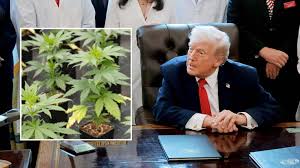
Schedule I is supposed to include especially dangerous drugs that are likely to be abused and have no medical purpose. Whatever one thinks of the wisdom and morality of using marijuana, the fact is it is less addictive, and quite possibly safer, than alcohol. Many Americans who live in one of the 40 states that have legalized medicinal marijuana use it for a variety of ailments.
Reclassifying marijuana does not repeal federal laws criminalizing its use. The reclassifying does, though, facilitate research into marijuana's medical benefits. It also enables marijuana businesses that are legal under state laws to take ordinary deductions on their taxes. While President Trump's executive order is a step forward, those who support advancing liberty must continue to press for repeal of all federal drug laws.
The Constitution does not give the federal government any authority to outlaw marijuana or any other "illicit" substance. At least supporters of alcohol prohibition understood that a constitutional amendment was needed to impose a national ban on alcohol. The war on drugs has been a primary excuse for violations of liberties including unconstitutional searches and seizures, "no-knock raids," bank reports to the federal government on those making large cash deposits, and draconian mandatory minimum sentences. The drug war has also been used to justify foreign interventions — such as President Trump's current actions against Venezuela.
Defenders of the drug war say it is necessary because the drug trade is controlled by violent criminals — even though this is the inevitable result of outlawing a product people wish to consume. The most important reason to end the drug war is that government has no moral right to stop adults from engaging in a peaceful (even if unwise) behavior like smoking marijuana. Laws prohibiting drug use have no place in a free society. These laws are rooted in the idea that our rights are merely gifts from the government conditioned on our "good "behavior. A government that can stop people from smoking marijuana is a government that can also mandate what vaccines we receive and how our children are educated.
Of course, in a free society, an individual who uses drugs would be responsible for the consequences of his choices, and those who oppose drug use could exercise their right to try to persuade others to abstain from drug use.
When I campaigned to return to Congress in 1996, both Republicans (in the primary) and Democrats (in the general election) focused on attacking my position on drugs. In response, I explained that the federal government has no authority to outlaw drugs and that the police state being built to stop drug use threatens all our liberty. The responsibility for combatting drug use belongs elsewhere, such as with churches and family members. I summed up my position as not pro-drug, but pro-liberty. In the end, I won that race. The people have been ahead of politicians in understanding the folly of the drug war.