










Breaking News
 What to Do for Entertainment During a Power Outage
 Starving the Data Centre Beast - #SolutionsWatch
 Is ICE Going Too Far
  The Start Of A New World Order
Top Tech News
 Researchers who discovered the master switch that prevents the human immune system...
 The day of the tactical laser weapon arrives
 'ELITE': The Palantir App ICE Uses to Find Neighborhoods to Raid
 Solar Just Took a Huge Leap Forward!- CallSun 215 Anti Shade Panel
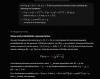 XAI Grok 4.20 and OpenAI GPT 5.2 Are Solving Significant Previously Unsolved Math Proofs
 Watch: World's fastest drone hits 408 mph to reclaim speed record
 Ukrainian robot soldier holds off Russian forces by itself in six-week battle
 NASA announces strongest evidence yet for ancient life on Mars
 Caltech has successfully demonstrated wireless energy transfer...
 The TZLA Plasma Files: The Secret Health Sovereignty Tech That Uncle Trump And The CIA Tried To Bury



De-Dollarization? Gold Over Debt - The End Of The Keynesian Paper Promise Mirage

Despite the consensus narrative, what we are currently experiencing globally is not "de?dollarization," but a broad loss of confidence in developed economies' fiat currencies and sovereign debt as a reserve asset for central banks and institutions. This fundamental loss of confidence in the solvency of developed economies' sovereign issuers is boosting demand for gold.
However, the latest data shows no crossover or fiat alternative substitution. The US dollar's central role in the fiat system remains intact.
Gold over debt: the key shift
MMT supporters state that monetary sovereign nations can issue all the debt they want without inflationary and confidence risk. However, monetary sovereignty is not a given; it is not perennial and governments face three limitations when it comes to issuing debt. Domestic and global confidence in sovereign issuers begins to decline once they surpass those limits.
The three limits for governments are:
1. the economic limit, when more government debt leads to stagnation and productivity growth decline;
2. the fiscal limit, when interest expenses and debt burdens soar despite central bank easing and rising tax receipts;
3. and the inflationary limit, when the loss of the purchasing power of currencies becomes large and persistent, eroding citizens' standards of living.
Over the last few years, the most important trend in global reserves has been the rotation from government bonds of advanced economies toward gold, not "out of dollars," as some media highlights, and even less so into other fiat currencies.