










Breaking News
 Rewinding An Alternator Into A Hydroelectric Generator
 Building ecovillage of storm-proof homes made of bone-like biomaterial
 Meet the New Porn: Even Worse than the Old Porn
 The unbearable pettiness of celebrity award shows
Top Tech News
 Critical Linux Warning: 800,000 Devices Are EXPOSED
 'Brave New World': IVF Company's Eugenics Tool Lets Couples Pick 'Best' Baby, Di
 The smartphone just fired a warning shot at the camera industry.
 A revolutionary breakthrough in dental science is changing how we fight tooth decay
 Docan Energy "Panda": 32kWh for $2,530!
 Rugged phone with multi-day battery life doubles as a 1080p projector
 4 Sisters Invent Electric Tractor with Mom and Dad and it's Selling in 5 Countries
 Lab–grown LIFE takes a major step forward – as scientists use AI to create a virus never seen be
 New Electric 'Donut Motor' Makes 856 HP but Weighs Just 88 Pounds
 Donut Lab Says It Cracked Solid-State Batteries. Experts Have Questions.



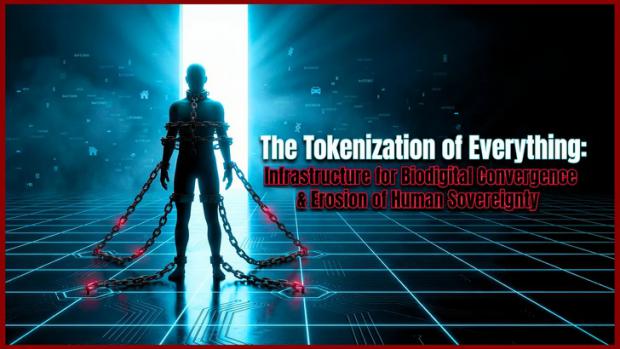
The Tokenization of Everything
What is Asset Tokenization?
Asset tokenization is the process of converting real-world assets—real estate, stocks, bonds, gold, art, and increasingly biometrics, health data, and even human behavior—into programmable digital tokens on a blockchain. These tokens enable fractionalization, turning indivisible assets into tradable "slices" that can be bought, sold, or restricted instantly, 24/7. What begins as a seemingly efficient upgrade to markets is rapidly evolving into the foundational layer for a system where everything—including your body and mind—can be digitized, tracked, and controlled.
The False Promises of Tokenization
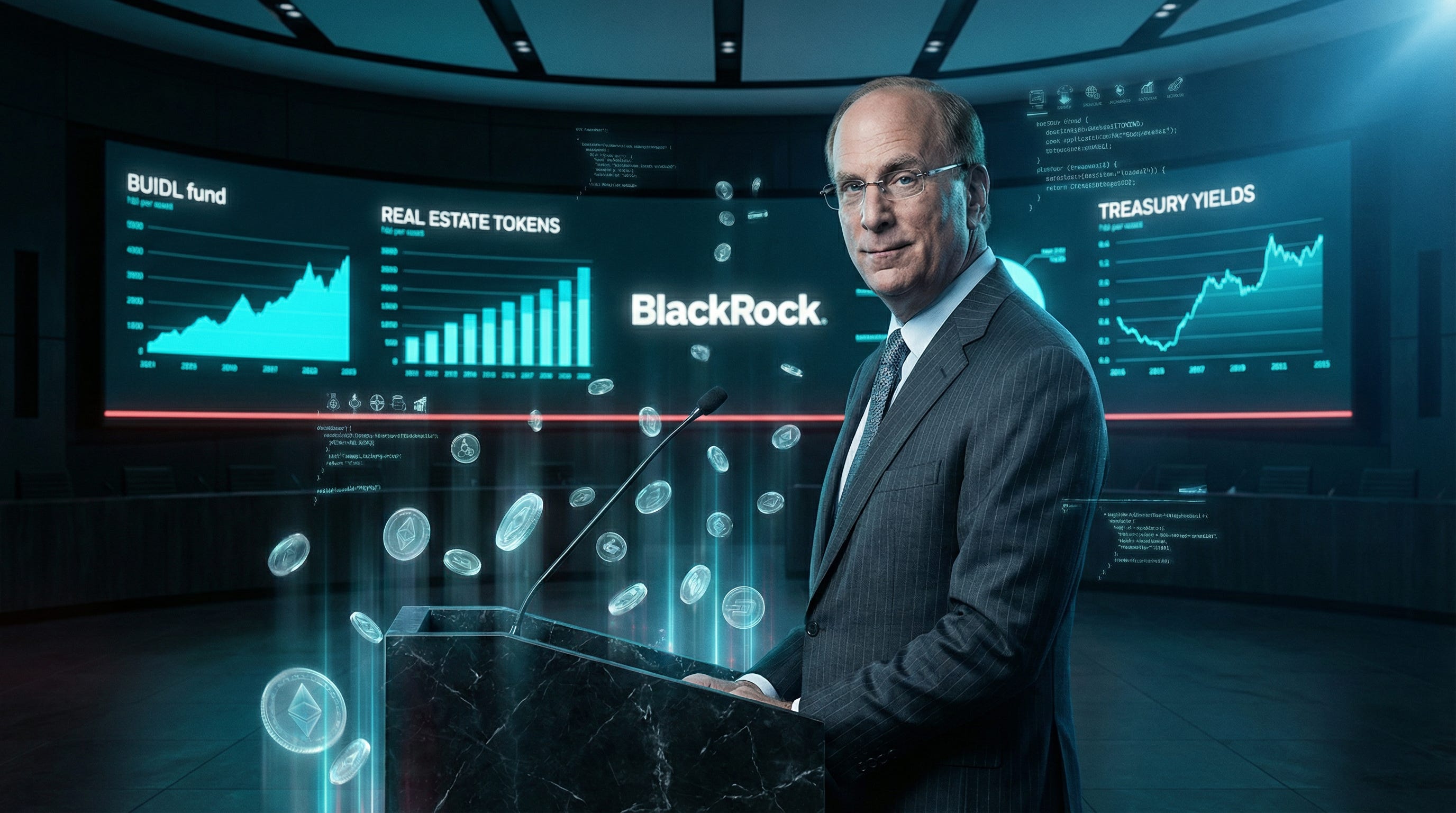
Proponents sell tokenization as revolutionary progress. Larry Fink, CEO of BlackRock, has repeatedly called it "the beginning of the tokenization of all assets," claiming it will democratize access and make markets more efficient. Institutions celebrate faster settlement, lower costs, and fractional ownership that lets ordinary people "invest" in assets previously out of reach. These promises mask a darker reality: the benefits flow primarily to the issuers and custodians—giants like BlackRock—who retain ultimate control over the underlying assets while the public holds revocable tokens. What is marketed as inclusion is, in practice, a mechanism to pull more of life into a gamified, always-on marketplace where participation becomes mandatory and behavior is subtly—or not so subtly—nudged as part of a cybernetic organism.