










Breaking News
 Democrat Lawmakers in Minnesota Pass Draconian Gun Laws After Silencing Largest Gun Rights Group
 US Issues $10M Bounty For Location Info On Mojtaba Khamenei & Ali Larijani
 War Abroad Should Not Mean Less Freedom At Home
 Major UAE Fujairah Port In Flames As Iran Vows Escalation For Kharg Island Attack
Top Tech News
 Musk Whips Out 'Macrohard' In Disruptive Tesla-xAI Bid To Shaft Software Companies
 This Bonkers Folding X-Plane Is One Step Closer to Hitting the Skies
 Smart 2-in-1 digital microscope goes desktop or handheld as needed
 Human Brain Cells Merge With Silica To Play DOOM
 Will Yann LeCun Provide The Next Breakthrough In AI?
 Human Brain Cells Merge With Silica To Play DOOM
 Solar And Storage Could Reshape Rural Electricity Markets
 With World Seemingly At War, DARPA Finds Time To Unveil The X-76
 Renewable Water From Air.
 The world's first diesel plug-in hybrid pickup truck is here



Hormuz crisis: Navy escorting India-bound ships as Iran says it will target only enemy vessels
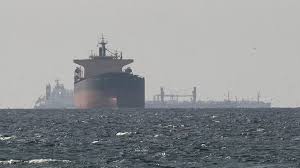
The move is aimed at ensuring the safe passage of vessels carrying vital cargo through one of the world's most sensitive shipping lanes.
The deployment is part of the Navy's ongoing maritime security initiative, which seeks to protect India's trade routes and reassure the shipping community operating in the region.
Monitoring ships under Operation Sankalp
Indian warships are monitoring India-bound cargo vessels as they transit the narrow waterway connecting the Persian Gulf with the Arabian Sea. The operation comes at a time when the region has witnessed rising maritime risks linked to the broader conflict in West Asia.
The patrols are being conducted under Operation Sankalp, a long-running naval mission launched to ensure the safety of Indian shipping and maintain a stable maritime environment in the region. The operation focuses on escorting merchant ships and maintaining constant surveillance across critical sea lanes used by global trade.
The Strait of Hormuz remains one of the most crucial maritime chokepoints in the world, with a significant share of global oil supplies passing through the narrow corridor every day.
Protecting trade routes and seafarers
For India, the stakes are high. A large portion of the country's crude oil imports and commercial cargo moves through this route, making the safety of ships and seafarers a key strategic priority.
The Navy's presence in the region is intended to provide confidence to merchant vessels and deter any potential threats to shipping. Officials say the surveillance and escort operations are designed to ensure that vessels bound for India can continue their journey safely despite the volatile security environment.
India has also been closely monitoring the situation through its diplomatic and maritime agencies, coordinating with international partners and shipping authorities. The aim is to minimise disruptions to trade flows and ensure that Indian seafarers and cargo remain protected as tensions continue to simmer across West Asia.