










Breaking News
 Iran's mountain shelters offer Taiwan a China survival playbook
 Exposing the True Evils of the Uniparty: Soros Money, Surveillance, and the Rise of a Third Party
 18,000+ Kids Injected With Vaccines While Unconscious At Colorado Hospital
 58% Of Americans Get Their News From Four Left-Leaning Aggregators; Study Finds
Top Tech News
 Modular phone promises total privacy at the flick of a switch
 Genetically Engineered War Dogs for 134 Pound Cyborg Dire Wolves Now – Later 600 Pound Wolves
 They're Quietly REPLACING Our Food With THIS… And Nobody Is Talking About It!
 Chicago Opens First "Teacher-Free" AI School as Global Push Accelerates
 Solar Panels Are Doing Something Nobody Expected
 DeLorean climbs skyward to race electric flying cars
 Atari's 800XL returns with a keyboard, cartridges and BASIC
 Bioinspired robot airdrops into remote waters via morphing wing-sail
 Anduril interceptor adapts to emerging threats via swappable stages
 I Built a Website to Expose Solar and Battery Scams


The Ultimate Guide to Hyperadobe Earthbag Building
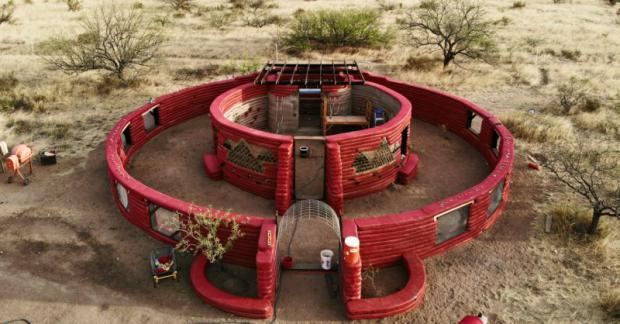
Since hyperadobe is so new, there's not a lot of information out there. We've been furiously experimenting the last 4 years with it, building a solar shed office, a large outdoor chicken garden, a small composting toilet outhouse, and have taken everything we've learned from those projects to design a huge 2,500 square foot roundhouse for our family - all while documenting every step here on our YouTube channel.
So today, we're going to do our best to condense all that knowledge - the pros and cons, wins and losses, and all the tips and tricks we've learned along the way into a single video so that you'll be fully armed to go build your own hyperadobe dream home. Plus at the end of this article we'll share some ways we can help with your specific project if you need it. Let's get started.
Sections
1. History
2. Benefits
4. Tools
5. Bag Types
6. Bag Sizing
8. How To Lay, Fill & Tamp Hyperadobe
10. Windows & Doors
13. Questions?
History
We're not going to get too deep here, but it's important to know when, where, and why these building techniques came to be. Stacking bags of dirt has been around over 100 years. The military used them for flood control and bunkers because they were cheap, built quickly on site, and could even stop a bullet.