










Breaking News
 US Farmers Are Facing Two Historic Catastrophes At The Same Time In 2026
 Did A $1.5 Trillion Pin Just Pop The Entire AI Bubble?
 What Really Happened in New York… Off Camera -- SF709
 55 Percent Of Americans Say That Their Financial Situations Are Getting Worse...
Top Tech News
 Researcher wins 1 bitcoin bounty for 'largest quantum attack' on underlying tech
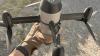 Interceptor-Drone Arms-Race Emerges
 A startup called Inversion has introduced Arc, a space-based vehicle...
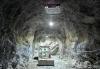 Mining companies are using cosmic rays to find critical minerals
 They regrew a severed nerve - by shortening a bone.
 New Robot Ants Work Like Real Insects To Build And Dismantle On Their Own
 Russian scientists 'are developing the world's first drug to delay ageing' months after
 Sam Altman's World ID Expands Biometric Identity Checks
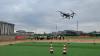 China Tests Directed Energy Beam That Recharges Drones Mid-Flight
 Jurassic Park might arrive sooner than expected, just with Dinobots.



Palestinians are holding local elections, but hardly anyone is running. Here's why that matters.
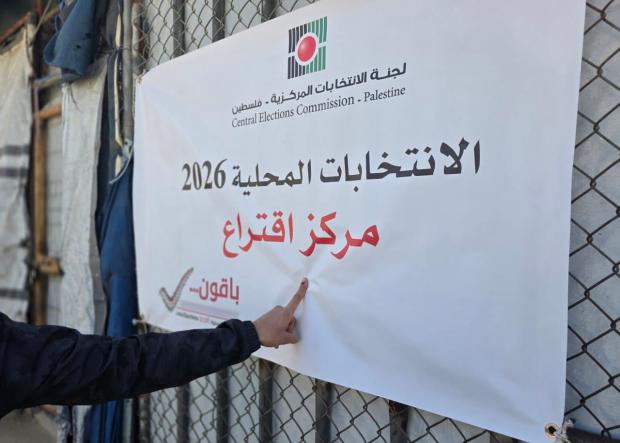
Today, Palestinians in the West Bank and Gaza were scheduled to vote for new mayors and municipal councils, but in many places, they didn't.
This year, Palestinian local elections are being boycotted by several key political forces, leading to a complete absence of competing candidates in many cities and towns. Many see this as symptomatic of wider Palestinian society and politics after two years of genocide in Gaza and a brutal Israeli crackdown in the West Bank.
It wasn't always this way. In previous years, Palestinian municipal elections have reflected the growing dynamism of Palestinian political life and a widespread thirst for democratic practice. It also always stood in contrast to the stagnation of the formal political system. Yet this year, the municipal elections show anything but dynamism, enthusiasm, or even significant public interest.
Over the past two and a half years, Palestinians have been living through the genocide in Gaza while simultaneously facing an intensifying wave of Israeli crackdowns, settler violence, and forced displacement across the West Bank. Together, these have left a deep imprint on Palestinian politics and social dynamics — upending priorities, sending shockwaves through Palestinian society, and forcing many Palestinians to reckon with the indefinite postponement of the only democratic exercise still available to them: local municipal elections.
Ever since the Palestinian legislative and presidential elections of 2006, which have never been repeated to date, local municipal elections served as one of the few spaces for free political expression in Palestine, along with union and university elections. The municipal elections of 2005, 2012, and 2017, held in major Gaza and West Bank cities, were widely regarded as a barometer of the prevailing political mood at the time. And from one election cycle to another, candidates and election lists only multiplied.
Little of that exists for today's elections. During the 2017 elections, Nablus, Hebron, and Ramallah each had four electoral lists competing against one another for votes. In 2022, Nablus had six electoral lists, Hebron had six, and Ramallah had five.
This year, however, only two electoral lists are competing in Hebron. In Nablus and Ramallah, there won't be any voting at all, since only one list registered for each city. The municipal councils of these cities, which have an outsized political importance in the West Bank, will be formed by agreements between candidates and other social and political local forces.
In the Gaza Strip, voting will take place only in the town of Deir al-Balah in central Gaza, as it is one of the few towns in Gaza that still largely remains standing. Major cities such as Rafah and Khan Younis, in contrast, have been razed and forcibly depopulated, rendering any municipal governance impossible.
What are the changes that brought Palestinian political life to such a low point, and what does it say about the future of Palestinian society?