










Breaking News
 UAE's OPEC exit hands Asia a petroyuan moment
 Iran President Pezeshkian weighs Araghchi ouster for 'defying orders' in US talks
 Stephen Miller: This scandal will 'rock the CORE' of politics
 For decades, many parts of Iran have struggled with severe drought.
Top Tech News
 CANCER HAS BEEN CURED
 "This is the first synthetic species," microbiologist J. Craig Venter told 60 Minutes'
 Humanoid robots are hitting the factories at an increasing pace
 Microsoft's $400 Billion Mistake Is Now a $200 Phone With Zero Tracking
 Turn Sand to Stone With Vinegar. Stronger Than Steel. Hidden Since 1627
 This is a bioprinter printing with living human cells in real time
 The remarkable initiative is called The Uncensored Library,...
 Researcher wins 1 bitcoin bounty for 'largest quantum attack' on underlying tech
 Interceptor-Drone Arms-Race Emerges
 Mining companies are using cosmic rays to find critical minerals



Iran President Pezeshkian weighs Araghchi ouster for 'defying orders' in US talks
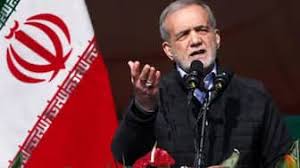
According to an Iran International report, the two leaders have accused Araghchi of bypassing the presidency and instead following directives from the Islamic Revolutionary Guard Corps (IRGC) during negotiations with Washington.
The report also claims that Araghchi has increasingly acted more like an aide to IRGC commander Ahmad Vahidi than a cabinet minister responsible for carrying out government policy.
The report by the UK-based outlet, citing sources, further claims that Araghchi failed to keep President Pezeshkian updated on developments in the nuclear talks over the past two weeks.
Frustrated, Pezeshkian has told close associates he may dismiss the foreign minister if the pattern continues, the report added.
Iran has not issued any official response to these claims, and the reports remain unverified.
The reported tensions come as negotiations between Tehran and Washington remain stalled over efforts to turn the fragile ceasefire with Israel into a more lasting arrangement.
Analysts suggest the apparent divisions within Iran's leadership may be contributing to the lack of diplomatic progress.
Earlier reports had already pointed to strains within Iran's power structure.
In March, Iran International had reported disagreements between Pezeshkian and figures linked to the Islamic Revolutionary Guard Corps (IRGC) over how to manage the conflict, its economic impact, and the increasing pressure on ordinary citizens.
US frustration mounts
According to Israel Hayom, American officials grew frustrated that the Iranian delegation attending talks in Islamabad did not have the authority to make binding commitments. The report said Washington set two conditions for resuming negotiations, including a demand that Iran's negotiators secure full backing from the Islamic Revolutionary Guard Corps (IRGC) to finalise any deal.
It further alleged that senior IRGC figures Ahmad Vahidi and Ali Abdollahi blocked the Iranian political delegation in Pakistan from responding directly to US proposals. In response, President Masoud Pezeshkian reportedly urged Parliament Speaker Mohammad Bagher Ghalibaf, who was leading the delegation, to step in and "save Iran from total economic collapse."
These developments have fueled speculation of a broader power struggle in Tehran, with rival factions divided over diplomacy, military strategy, and the extent of Iran's engagement with the West after months of regional conflict and mounting economic pressure.