










Breaking News
 Was US Rep. Thomas Massie a Victim of a Stolen Primary Election?
 Trump warns of possible military action in Cuba and says 'I'd be happy to do it' as Marc
 Trump in furious phone call with Pete Hegseth after defense chief's shocking blunder blindsides.
 Hunter Biden drops Israeli spy bombshell as he claims his father was embroiled in Mossad scheme
Top Tech News
 Cars Are Fast Becoming Dystopian Prison Pods...
 Our Emergency Water Plan Wasn't Good Enough - So We Built This
 Sodium Ion Batteries Can Reach 100 Gigawatt Per Hour Per Year Scale in 2027
 Juiced Bikes proves capable electric motorcycles don't have to cost a lot
 Headlight projectors turn your car into a drive-in theater
 US To Develop Small Modular Nuclear Reactors For Commercial Shipping
 New York Mandates Kill Switch and Surveillance Software in Your 3D Printer ...
 Cameco Sees As Many As 20 AP1000 Nuclear Reactors On The Horizon
 His grandparents had heart disease.
At 11, Laurent Simons decided he wanted to fight aging.
His grandparents had heart disease.
At 11, Laurent Simons decided he wanted to fight aging.
 Mayo Clinic's AI Can Detect Pancreatic Cancer up to 3 Years Before Diagnosis–When Treatment...



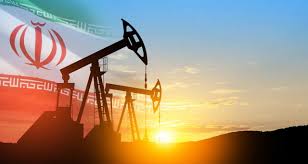
How Much Time Does Iran Have Before Running Out of Places to Stash Oil?

The Oil Mystery Question
The Wall Street Journal discusses the The Oil Mystery at the Heart of America's Pressure Campaign on Iran
It has become a multimillion-barrel mystery at the center of the U.S.-Iran war: How long does Tehran have before it runs out of room to store the oil it can no longer export?
The answer may help determine the outcome of the conflict.
A five-week-old U.S. naval blockade has trapped much of Iran's oil inside the Persian Gulf, forcing Tehran to pump stranded barrels into rapidly filling storage tanks and aboard a flotilla of ships nearby.
U.S. officials are betting that when Iran exhausts places to stash the oil, it will face a costly, high-risk shutdown of its oil fields, forcing Tehran to blink in negotiations over its nuclear program and the wider conflict.
The U.S. government, oil traders and private analysts, however, are divided over exactly how much time Tehran has until it reaches "tank tops," industry parlance for running out of storage.
Estimates of Iran's onshore capacity range widely from 57% to 90% full, meaning Tehran could hit the wall in days—or hold out for weeks. Slowly throttling wells and using idle ships as floating storage are further helping Iran stretch the clock.
Vikas Dwivedi, global energy strategist at Macquarie, estimated that Iran's prewar oil-sales revenue contributed roughly 10% to its gross domestic product.
"So even a total loss is not a catastrophic hit to their GDP, but it is an extremely large hit to their government revenue and the budget for military spending," said Dwivedi.