










Breaking News
 Iran War Effect Marks the Resetting of World Geo-politics
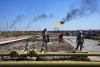 Oil 'powder keg': Trump says Hormuz blockade may last all summer
 Xi closes the door after promising US CEOs to open wider
 THEY WON
Top Tech News
 Elon and SpaceX Have Made AI Training 10 Times Faster
 Oklo COO Says Nuclear Waste Could Power America For 150 Years
 SpaceX Announces LARGEST Starship Mission Ever! They've never done this before!
 Cars Are Fast Becoming Dystopian Prison Pods...
 Our Emergency Water Plan Wasn't Good Enough - So We Built This
 Sodium Ion Batteries Can Reach 100 Gigawatt Per Hour Per Year Scale in 2027
 Juiced Bikes proves capable electric motorcycles don't have to cost a lot
 Headlight projectors turn your car into a drive-in theater
 US To Develop Small Modular Nuclear Reactors For Commercial Shipping
 New York Mandates Kill Switch and Surveillance Software in Your 3D Printer ...



Oil 'powder keg': Trump says Hormuz blockade may last all summer
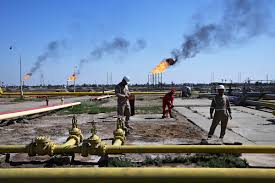
US President Donald Trump on Wednesday tried to project optimism about reaching a deal to end the illegal war he started against Iran, even while acknowledging the crisis could last for several more months.
In an interview with The New York Post, Trump was asked whether the current blockade of Iran would last until Labor Day, which falls on September 7 this year.
"I don't know," Trump said. "I mean, I think it could be, but I think it's unlikely." He added, "I think this will resolve itself fairly quickly."
The president for the last several months has managed to keep oil prices from spiking to disastrous levels by dropping hints that his illegal war will soon be over, even though it has continued with no end in sight.
And while the Trump administration has insisted that its ceasefire deal is still in effect, CNN reported on Wednesday that Iran launched attacks against US military bases in Kuwait and Bahrain after US forces fired a Hellfire missile at a Botswana-flagged oil tanker that was heading toward an Iranian port.
Iran also launched drone and missile strikes at Kuwait's international airport, killing one person and leaving dozens injured, according to Al Jazeera.
Oil industry expert Patrick De Haan on Tuesday warned that the price of oil will soon shoot back up if the Strait of Hormuz remains closed because US petroleum supplies, which have been drained at a rapid pace since the start of the war, are about to hit their lowest level in over two decades.
"US distillate inventories will likely fall under 100 million barrels for the first time in over 20 years, exacerbated by high exports due to the closure of the Strait of Hormuz," De Hann wrote in a social media post. "This is a powder keg waiting to go off if a deal to reopen the strait doesn't happen soon."
In an analysis published Wednesday, The American Prospect's Ryan Cooper similarly warned that the tricks used by nations around the world to keep a lid on oil prices, such as releasing petroleum reserves, would soon be ineffective thanks to hard supply constraints.
"As storages dwindle and run out, the only way to match demand to supply will be for the price to rise high enough to destroy something like 10 to 20% of global oil consumption," Cooper wrote. "And because a great deal of oil demand is obligatory and therefore not very price-sensitive, that price will likely be north of $150 per barrel."