










Breaking News
 THE BUCCANEER (1958) Theatrical Trailer - Yul Brynner, Claire Bloom, Charles Boyer
 Saturday Class - The American Revolution was a Christian Revolution - June 20, 2026
 Why Hasn't There Been a Recession Yet?
 As America Marks Its 250th Anniversary, Debates Rage Over National Identity
Top Tech News
 Our Diesel-Electric Truck Is So Quiet the Military Wants One
 World's first hotel entirely staffed by robots to open in 2027
 Researchers in China are ignoring bug spray, citronella, and netting.
 Our bodies may be able to regrow lost limbs after all
 Chinese cars go blacker than black via hybrid nano tech
 World first: Human embryo model grows its own organs – in the lab
 Dead lithium batteries revived to 95% capacity via electrochemical bath
 Compact laser engraver levels up your DIY crafts setup
 'Groundbreaking' Potential Lupus Cure Sends Patients into Remission, Allowing Dreams...
 SpaceX Orbital Travel and Orbital Hotels Need Starfall – Getting Back Safe and Cheap is Exciting



Report: Saudi Crown Prince Lost Confidence in Trump After U.S. Failure in Iran
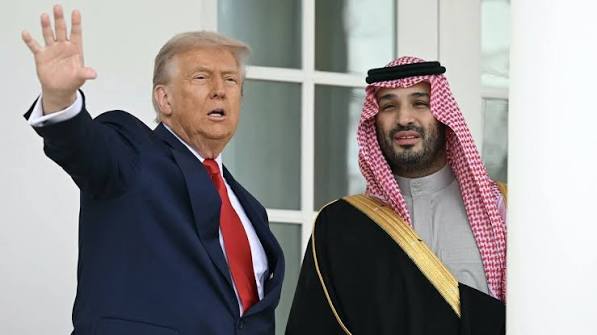
Saudi Arabia prevented the United States from using its airspace for a military mission in the Strait of Hormuz, according to a New York Times report cited by multiple sources. The report states that Saudi Crown Prince Mohammed bin Salman lost confidence in President Donald Trump following the U.S. failure to subdue Iran during the war that began in February 2026.
The mission, code-named "Project Freedom," was designed by U.S. Central Command to assist oil tankers and commercial ships transiting the Strait of Hormuz. Saudi officials denied the U.S. military access to Saudi airspace for the operation, according to the report. Trump was "outraged" by the decision, while Prince Mohammed "stood his ground," fearing that the American plan could reignite a wider conflict with Iran.
Background: U.S.-Iran War and Ceasefire
The United States and Israel launched a full-scale military campaign against Iran on February 28, 2026. The conflict lasted several months and included sustained airstrikes and naval engagements. A ceasefire was eventually brokered in April, but sporadic exchanges continued. President Trump announced a settlement to end the war in June, signing a 14-point memorandum of understanding with Iran that reopened the Strait of Hormuz and provided a 60-day window for permanent negotiations, according to Middle East Eye reports [1].
Project Freedom was devised as part of CENTCOM's efforts to secure shipping lanes after Iran closed the Strait to commercial traffic. Saudi Arabia had earlier pressed the Trump administration to take a hard line against Tehran, but as the war dragged on and Iran demonstrated its ability to strike Gulf infrastructure, Riyadh began urging restraint. According to an article by NaturalNews.com, Trump called off a scheduled strike on Iran in May after requests from Prince Mohammed and other Gulf leaders [2].
The Clash Between Trump and MbS
According to the New York Times report, U.S. Central Command was caught off guard when Saudi officials denied clearance for Project Freedom. The denial triggered a series of tense and urgent phone calls between Trump and Prince Mohammed. Observers noted that Trump was furious at what he perceived as Saudi insubordination, while the crown prince insisted that the operation risked dragging the kingdom into a war it did not want.
Sources told the Times that Prince Mohammed feared the American plan could reignite hostilities with Iran at a time when Riyadh was already suffering economic disruption from Houthi attacks in the Red Sea [3] and supply chain bottlenecks. The Saudi leadership concluded that Washington could no longer guarantee regional stability, a sentiment reflected in earlier warning signs such as the Saudi-Pakistan defense pact in 2025, which signaled waning trust in U.S. security guarantees [4].