










Breaking News
 ARGENTINA: Inflation Crashes, Poverty Rises, Inside Javier Milei's Revolution | Documentary - J
 At the 2:16:30 mark, Sen Hawley absolutely DESTROYS Fauci for 10 min...
 Russia charges Telegram founder Pavel Durov with aiding terrorism and puts him on wanted list
 Flashback to this patriot who DEMOLISHED Dr. Fauci to his face when he showed up to his doorstep...
Top Tech News
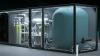 Idaho's High Desert Becomes Hot Spot For Nuclear Power Revolution
 The World's Largest Electric Aircraft Is About to Take Its First Flight
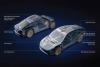 Tesla Cybercabs and Superchargers Will Act as Mini Cell Towers for SpaceX Starlink
 Elon Vows AI-Made 'Odyssey' After Blasting Nolan's Take On Homer
 Anthropic is launching its own drug discovery programs for rare diseases using Claude...
 SpaceX AI Satellites Will Have 250 Kilowatts of Power
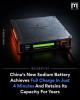 Chinese researchers have developed a sodium-metal battery that can fully charge in just 4 minutes...
 SpaceX Starship Flight 13 in 3 Days - Thursday July 13
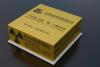 Chinese Scientists Develop Nuclear Battery Using Carbon-14
 Teleoperated humanoid robots complete first-ever live surgery



Idaho's High Desert Becomes Hot Spot For Nuclear Power Revolution
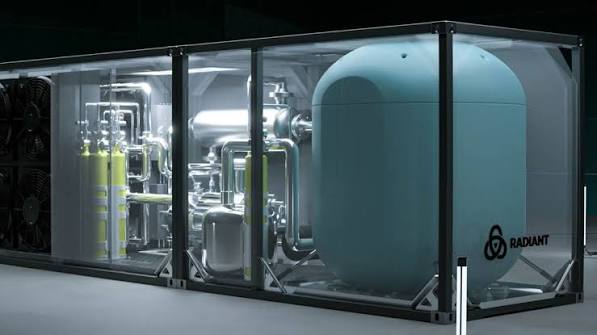
Authored by John Haughey via The Epoch Times,
History was made with the flip of a switch at 12:30 a.m. on June 4, under partly cloudy skies and a waning three-quarter moon in Idaho's Arco Desert, when a prototype reactor sustained a nuclear chain reaction, becoming the first new design to achieve "criticality," or viability, in the United States since 1973.
In that midnight milestone's wake, the future is following fast. Since Antares Nuclear's Mark-0 design was validated in early June, three other novel reactor designs have met the U.S. Department of Energy's criticality requirements and, according to Energy Secretary Chris Wright. Up to four more could do so by year's end.
While technologies, fuels, and applications vary, these prototypes share common traits. All are far smaller than the conventional reactors with massive cement cooling towers, and all are designed to be mass-produced, portable, and scalable. Several can fit in the bed of a pickup truck.