










Breaking News
 The Iran off-ramp Trump keeps driving past
 Free Trade: The Consensus Is Growing
 Netanyahu says no Israeli withdrawal from Gaza until Hamas has been completely disarmed
 'When you kill it, it doesn't die': the jellyfish that has cracked the secret of immorta
Top Tech News
 Voyager 1 approaches one light day from Earth
 Visual Implants
 Renewable Energy Breakthrough! World's Most Efficient Tesla Turbine System
 I Told You So
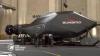 Meet Sunbird, a nuclear fusion-powered space tug concept from Pulsar Fusion.
 China and Russia launch 29-nation AI alliance to rival western control of technology
 BREAKING: China has begun manufacturing domestically developed Immersion Deep...
 Idaho's High Desert Becomes Hot Spot For Nuclear Power Revolution
 The World's Largest Electric Aircraft Is About to Take Its First Flight
 Tesla Cybercabs and Superchargers Will Act as Mini Cell Towers for SpaceX Starlink



US sends more intel assets to Cuba
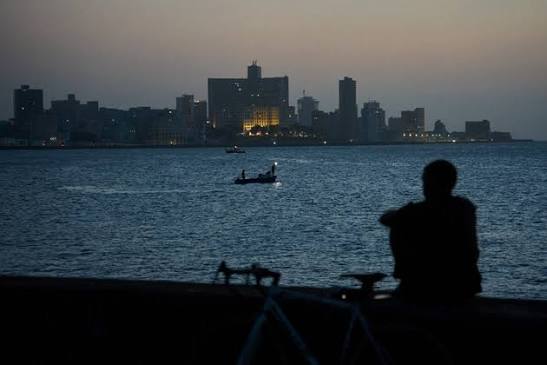
The U.S. has increased its intelligence assets in Cuba in recent months as it pushes the country's communist regime to reform or fall from power, according to two people familiar with the Trump administration's plans for the island.
Such intelligence moves could portend actions ranging from a U.S. military operation in Cuba to stepped up efforts to turn Cuban officials or ordinary citizens against the regime.
One of the individuals said the U.S. has recently sent spies and assets to Cuba. The person declined to specify the scope of the increased intelligence collection effort or which U.S. agencies are involved because they didn't want to risk giving details that could compromise operations. The U.S. has 18 offices and agencies that make up the intelligence community.
The second person described the move as increasing the CIA's "presence" recently but declined to specify timeframes or who was involved.
Both people were granted anonymity because the topic involves sensitive intelligence.
CIA spies are generally either natives of other countries who steal secrets on behalf of the U.S., known as "agents," or salaried U.S. intelligence professionals who recruit foreigners to do so, known as "officers." The CIA, which has a paramilitary wing, also uses various technological and other means to carry out its activities.
The U.S. has for decades engaged in intelligence activities in Cuba, as it does throughout the world. But the CIA and related agencies' work in Cuba was hampered in recent years, in part due to personnel drawdowns driven by the so-called Havana syndrome incidents.
The first person described the upped intelligence presence as a key tactical step that could pave the way for a U.S. military incursion. But they stressed the outlines of any such operation are far from clear. Cuba lies just 90 miles off U.S. shores.
U.S. military operations are often preceded by increased American intelligence activity. CIA efforts to track the whereabouts of Venezuelan leader Nicolas Maduro reportedly played a critical role this January in the successful U.S. operation to capture him.
The CIA declined to comment. Spokespeople for the White House, Defense Intelligence Agency and the Office of the Director of National Intelligence did not respond to requests for comment.
The administration "is going to pursue all the conventional tools, including intelligence community resources" to push Cuba's leaders for change, the second person said. They added that President Donald Trump continues to "prefer diplomacy" to achieve the goal.
The Trump administration has recently focused heavily on the war with Iran, which has now dragged into a sixth month. Even so, it has simultaneously ramped up pressure on Cuba, including imposing an energy blockade that has left the island largely in the dark.
The first person said "Iran doesn't need to be solved before we go there." They added that Cuba is a "huge priority of Rubio's," referring to Secretary of State Marco Rubio.
The Trump administration sent CIA Director John Ratcliffe to Cuba in May to warn the regime to make fundamental reforms. Days later, the Justice Department brought charges against former Cuban President Raul Castro in connection with the 1996 deaths of four people seeking to rescue Cuban exiles at sea.
Castro, the brother of longtime Cuban dictator Fidel, was defense minister at the time of the incident, which involved Cuban fighter jets.