










Breaking News
 Judge Says Updated National Firearms Act Violates Constitution
 Are You Ready For The "Rogue AI" Psy-Op?
 It's Time to Save America
 Sister Recounts Horrifying Moment her Brother Wept as he was being prepped to have his Organs...
Top Tech News
 Shade-Resistant Solar Cells Retain 97% Efficiency After 2,000 Hours of Testing
 20 Ancient Engineering SECRETS
 Stonehenge Was Reanalyzed by AI -- And the Findings Are Hard to Explain
 After Years Of Delays, Aptera Is Finally Preparing To Build Customer Cars
 'When you kill it, it doesn't die': the jellyfish that has cracked the secret of immorta
 Archer Aviation debuts Halo autonomous VTOL, Thunder's commercial twin
 US Telecoms Slide On Starlink Mobile Threat; Bernstein Sees It As A "Jab, But No Knockout Yet**
 Betavolt unveils revolutionary coin-size battery with nickel-63 nuclear isotope...
 China claims it has built a 'nuclear drone' that can stay airborne forever
 Canada just solved two giant infrastructure problems at exactly the same time.



Iran-Oman Hormuz Route 'Agreed To' As Iran Warns Against US 'Interference'
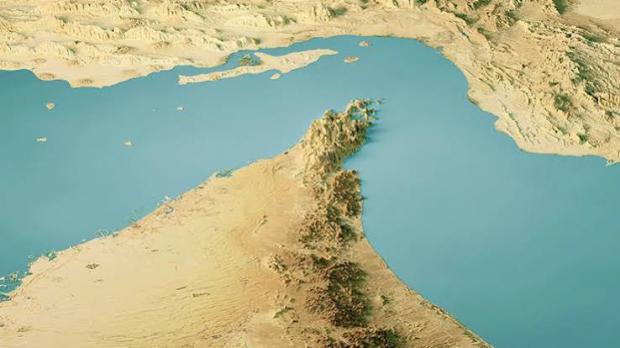
A statement from Iran's Foreign Ministry warns that the United States and military 'interference' remain the biggest obstacles to a final Hormuz deal to reopen the strait:
Esmaeil Baqaei: The geographical coordinates of the route proposed by Iran and Oman in the Strait of Hormuz have been agreed upon. If some third parties do not obstruct this process, the joint statement between the two countries is in the final review and drafting stage. The understanding between Iran and Oman, in itself, cannot guarantee the safety of the Strait for passing ships, because the factors that create insecurity in the Strait of Hormuz, particularly those stemming from the United States, such as the naval blockade and other aggressive and threatening actions against Iran and its interests, still exist.
Latest details from Financial Times:
Initially, Iran would send ships, including oil tankers, through the waterway to ensure it is free of mines before the strait opens to other shipping, FT reports citing sources
Ships would not be charged fees during the temporary arrangement, the people added.
If a deal holds and the strait reopens, the US would lift its naval blockade on Iranian ports and reinstate a waiver to allow Iran to sell oil and petroleum-related products, one of the people said.
Iranian pundits and state media continue touting this as a 'victory' over the US-Israeli war of aggression:
Ali Akbar Dareini, a Tehran-based researcher at the Center for Strategic Studies, has said Iran is aiming to "stabilise" its control over the Strait of Hormuz, which is its "biggest military achievement of the war".
"Negotiations are aimed at stabilizing those achievements," Dareini told Al Jazeera. "You do not negotiate to give away your achievements but stabilise them."
Once Iran opens up the strait, Dareini said Iran is still likely to put in place a mechanism to "ensure that peace will prevail".
"Iran wants to make sure that there will be innocent passage … But there will not be hazardous passage, there will not be war," he said, arguing that Tehran needs to ensure the US and its allies do not transport military equipment that could be used for attacks against it.
This also as Yemen's Houthis continue a 'siege for siege' blockade of Red Sea passage, targeting Saudi-linked vessels of Yemen's coast, as we described.
Thus far on Wednesday, the White House has remained mostly quiet on what seem to be Iran and Omani-driven talks for terms of the Hormuz Strait's reopening. Tehran, however, has not remained quiet - as US bombs have fallen silent over the past couple days:
IRAN SAYS NEW HORMUZ ROUTE TO BE VALID FOR 2-4 MONTHS: IRNA
IRAN: NEW OMAN DEAL TO CLOSE TEMPORARY HORMUZ SHIPPING ROUTES
GHARIBABADI SAYS IRAN RECEIVED MESSAGES FROM US: IRNA
IRAN: US SAID IN MESSAGES IT'S READY TO RETURN TO ITS PLEDGES