










Breaking News
 Breaking: Joe Kent to Speak at RPI DC Conference!
 Painless microneedle tattoos from London startup CipherX
 Judge Denies Southern Poverty Law Center's Bid To Dismiss DOJ Indictment
 Flock Is Losing Dozens Of Contracts As Citizens Push Back
Top Tech News
 What could possibly go wrong? Scientists use AI to design new viruses
 Dual-motor suitcase drive underpins 3,000-hp hypercar
 DoorDash Wins Federal Approval To Fly Its Own Delivery Drones
 Shade-Resistant Solar Cells Retain 97% Efficiency After 2,000 Hours of Testing
 20 Ancient Engineering SECRETS
 Stonehenge Was Reanalyzed by AI -- And the Findings Are Hard to Explain
 After Years Of Delays, Aptera Is Finally Preparing To Build Customer Cars
 'When you kill it, it doesn't die': the jellyfish that has cracked the secret of immorta
 Archer Aviation debuts Halo autonomous VTOL, Thunder's commercial twin
 US Telecoms Slide On Starlink Mobile Threat; Bernstein Sees It As A "Jab, But No Knockout Yet**



Pharma Looks to Cash in on Psychedelics as Patients Seek Alternatives to Psychotropic Drugs...
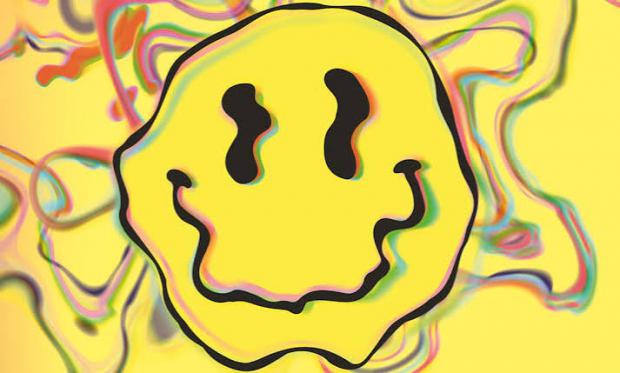
Eli Lilly's multibillion-dollar acquisition of a company that makes experimental psychedelic therapies marks the largest investment yet by a drugmaker in psychedelic medicine as a treatment for depression. But pharma's entry into the market raises questions about patents, profits and the future of psychedelic therapy.
Eli Lilly's multibillion-dollar acquisition of AtaiBeckley marks the largest pharmaceutical investment yet in psychedelic medicine, signaling a new phase for an industry once relegated to the margins of scientific research.
The deal, valued at approximately $2.8 billion upfront with up to $1 billion in additional milestone payments, gives Lilly control of AtaiBeckley's experimental psychedelic therapies, including BPL-003, a fast-acting nasal spray containing N,N-dimethyltryptamine (DMT) being studied for treatment-resistant depression.
AtaiBeckley announced in October 2025 that the U.S. Food and Drug Administration (FDA) granted BPL-003 Breakthrough Therapy designation, a status intended to accelerate development of treatments for serious conditions when early evidence suggests substantial improvement over existing options.
"Millions of people are still searching for relief and desperately need a therapy that works," said Dr. Carole Ho, president of Lilly Neuroscience. Advancing AtaiBeckley's therapies, she said, gives Lilly "a real chance to change that."
The company's purchase comes as pharmaceutical companies increasingly move into a field that has attracted growing scientific interest but remains controversial because of questions surrounding commercialization, access, intellectual property — and whether corporate development will preserve the therapeutic models that shaped psychedelic research.
A turning point for psychedelic medicine
The Lilly-AtaiBeckley acquisition follows another major pharmaceutical investment in the sector. In 2025, AbbVie agreed to acquire Gilgamesh Pharmaceuticals' experimental depression treatment Bretisilocin (GM-2505) in a deal worth up to $1.2 billion.
Bretisilocin targets the brain's 5-HT2A serotonin receptor, the same receptor involved in the effects of classic psychedelics such as psilocybin and LSD.
Together, the deals suggest that major drugmakers increasingly view psychedelic compounds as a potential new category of mental health treatments.
Rayyan Zafar, Ph.D., a neuropsychopharmacologist at Imperial College London and member of the Centre for Psychedelic Research and Neuropsychopharmacology group, said the Lilly acquisition could help move psychedelics closer to popular medical use by making them "de-risked" for mental health utilization.