










Breaking News
 Welfare Is Immoral in Any Country
 Hair-Raising Case: White Baltimore Arts Executive Fired For Wearing Cornrows
 The Honda NSX rises ... with more horsepower and carbon fiber
 'Hypocrite' Hillary Clinton is slammed for her comments on Fort Hood killer's...
Top Tech News
 Seven apps. One craft
 SHOCK CASE REPORT: Advanced Alzheimer's Patient Regains Speech, Memory, Mobility...
 Most artificial limbs rely on silicone or plastic to mimic human hands.
 Flying cell tower beams phone signal to Japan from 10 miles up
 Chinese Commercial Reactor Achieves Nuclear Fusion with Clean Hydrogen-Boron Fuel
 Med Beds Just Took a MASSIVE Step Forward, Healing People in Days!
 Palmer Luckey: Autonomous Weapons Are Ancient and Why Anduril Won't Build Humanoids | EP #295
 A laser just photographed objects through six feet of concrete
 Elon Musk's Next-Gen Motor Destroy Entire EV Industry
 China's disputed satellite refueling heralds new space war era



Alzheimer's hope: Nanoparticles regenerate cells to restore memory
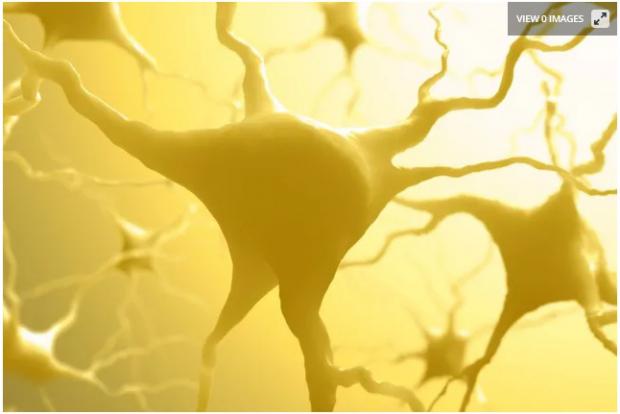
Developed by researchers in the US, the remarkable new treatment could one day be used to treat patients in advanced stages of dementia by restoring the brain's ability to recover from ongoing neurodegeneration.
"The new neurons can become mature and survive," says senior author Peisheng Xu, a pharmaceutical researcher at the University of South Carolina.
"We also confirmed much higher neuron density in the brains of treated mice."
Alzheimer's disease is a battle between cell growth and the steady loss of neurons to inflammation. Because the brain can't quickly replace lost nerve cells in critical areas such as the hippocampus, people with the disease lose memory, cognition, and eventually the ability to feed or safely maintain balance.