










Breaking News
 10 Unexpected Consequences Of An Economic Crisis Nobody Is Talking About
 Trump says RAF Fairford terror suspects were 'looking to do big damage' to US forces as Iran
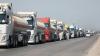 Syria Opens Overland Fuel Transit Route To Iraq Amid Hormuz Closure
 New Jersey Microsoft-Linked Data Center Hit With Record Fine Over Unpermitted Gas Generators
Top Tech News
 Tesla Model 3 killer charges from 10 to 97% in just 9 minutes
 World-first unpowered DNA computer sets speed record
 I Power 5 Buildings Off-Grid. Here's How
 The US government is pushing hard to get a working nuclear fission reactor into space by late 2028
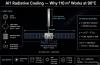 SpaceX Starmind AI in Space Radiator
 China Will Dominate Global Nuclear Energy Through 2035, Analyst Says
 These Absolutely Wild-Looking EVs Are Saudi Arabia's First Homegrown Cars
 BEYOND THE MOON: NASA plans a nuclear-powered fleet to push DEEPER into space
 Big Oil Backs Mazama's $135 Million Bet On Superhot Geothermal
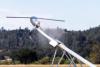 Quantum compass takes flight on Northrop's Lumberjack drone


10 Unexpected Consequences Of An Economic Crisis Nobody Is Talking About

I don't have all the answers. Anyone who claims to understand exactly how economic systems collapse, or precisely when, is either lying or selling something. What I have done is spend years reading, observing, and talking to people who lived through crises that most of us only read about in history books.
My grandmother kept cash sewn into the lining of her coat because she remembered 1929. My grandfather refused to invest in the stock market his entire life because he watched his father's bakery fail during a banking panic in 1931. They taught me that stability is a story we tell ourselves, not a permanent condition. That lesson took decades to sink in.
What follows is based on verified data and historical patterns. I have tried to avoid the confident predictions that make for good television but bad analysis. Instead, I have focused on mechanisms - how things break, why they break, and what happens to ordinary people when the assumptions they built their lives upon suddenly shift.
Some of this will disturb you. It should. But my goal is not to frighten you into buying gold or moving to a bunker. My goal is to help you see the patterns that emerge when economic stress moves from the financial pages into daily life. These patterns repeat across centuries because human psychology and institutional behavior follow predictable paths when pressured.
I have made mistakes in my analysis before. I underestimated the resilience of certain systems and overestimated the fragility of others. I have learned that timing is nearly impossible to predict, but direction is often visible years in advance. What I offer here is not prophecy. It is observation, carefully sourced, about what happens when the machinery we depend on begins to grind rather than hum.
Read this with skepticism. Verify the data. Check my sources. But do not dismiss the underlying reality because you find it uncomfortable. My grandparents taught me that the people who survive crises are not necessarily the ones who saw them coming first. They are the ones who took the warning signs seriously enough to prepare while others continued assuming tomorrow would look like yesterday.