










Breaking News
 Xi Dada Explains the Facts of Life to a Sociopath
 The Psychology of Tyranny and Manipulation
 U.S. Beekeepers Sue USDA, Alleging Imported "Organic" Honey Misleads Consumers...
 Mexico Is Growing Because It Still Produces Something
Top Tech News
 Tesla Model 3 killer charges from 10 to 97% in just 9 minutes
 World-first unpowered DNA computer sets speed record
 I Power 5 Buildings Off-Grid. Here's How
 The US government is pushing hard to get a working nuclear fission reactor into space by late 2028
 SpaceX Starmind AI in Space Radiator
 China Will Dominate Global Nuclear Energy Through 2035, Analyst Says
 These Absolutely Wild-Looking EVs Are Saudi Arabia's First Homegrown Cars
 BEYOND THE MOON: NASA plans a nuclear-powered fleet to push DEEPER into space
 Big Oil Backs Mazama's $135 Million Bet On Superhot Geothermal
 Quantum compass takes flight on Northrop's Lumberjack drone


U.S. Beekeepers Sue USDA, Alleging Imported "Organic" Honey Misleads Consumers...
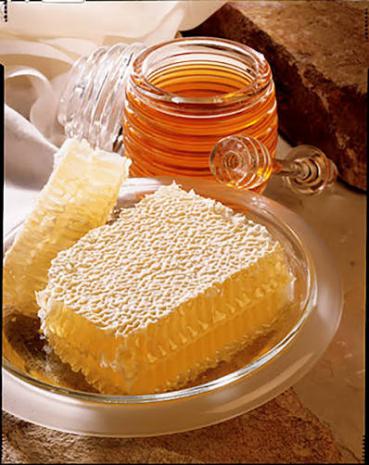
Four major U.S. commercial beekeeping operations have filed a lawsuit against the U.S. Department of Agriculture (USDA), alleging the agency allows imported honey to carry the USDA organic seal through certification pathways unavailable to American producers [1].
The complaint was filed in the U.S. District Court for the Eastern District of Washington by operations based in Washington, South Dakota, and Texas, according to the plaintiffs [1].
The lawsuit claims the practice misleads consumers, undermines domestic beekeepers, and violates federal organic law by creating a double standard for organic honey certification [1]. The beekeepers are seeking a court order to halt the alleged false labeling rather than monetary damages, according to the complaint [1].
Allegations of Certification Double Standard
The suit alleges that USDA organic standards require bees to forage within a 1.8-mile radius of certified organic land, a rule that makes large-scale organic honey production nearly impossible for most U.S. beekeepers [1]. Consequently, only four certified organic honey operations exist in the United States, all located in Hawaii, according to the plaintiffs [1].
This regulatory burden stands in contrast to the situation abroad, where foreign producers, particularly in Brazil, operate under less stringent rules that allow them to bypass USDA standards, the lawsuit alleges [1].
Experts note that the vast majority of apiary locations within the United States are not able to comply with organic regulations as currently written, and most locations that do conform tend to be in areas where bee forage is extremely limited [2]. As a result, little certified organic honey is currently being produced within the continental U.S., according to those familiar with the industry [2].
Imported Honey Dominates Market
Approximately 80% of honey sold in the U.S. is imported, according to OrganicEye, a nonprofit organization that monitors the organic industry [1]. U.S. beekeepers sold 116 million pounds of honey in 2025, down 14% from the prior year, while organic imports exceeded 78 million pounds during the same period, according to the lawsuit [1].
The complaint further states that roughly 60 million pounds of domestic honey remained unsold, with some producers holding up to three years' worth of inventory [1].